A scrum master serves a team by coaching team members to understand agile and scrum values, principles, and practices.

Kaizen encourages organizations to foster a culture of empowerment, collaboration, and innovation through a structured process and a set of principles. That sentences should ring a lot of bells for product managers.
Niko-Niko is an effective practice in agile product development used to boost the happiness and well-being of product team members.

Time management is an activity that requires you to plan and organize your time effectively. Managing your workload gets harder under stress.
A design retrospective can be a powerful tool for aligning your team, providing time to reflect on work, gather feedback, and make changes.

By definition, if you’re already in or transitioning into a product management role, you likely already possess many of the skills needed for successful project management.

Trunk-based development is an approach to where developers frequently integrate their code changes into a shared main branch.

A Kanban visualizes work and work status to create transparency between development teams and the rest of the organization.

The iterative process involves building out a new feature or function for the product one step at a time to maximize resources.

Application performance monitoring (APM) empowers you to make informed decisions that enhance overall user satisfaction and ultimately boost your bottom line.
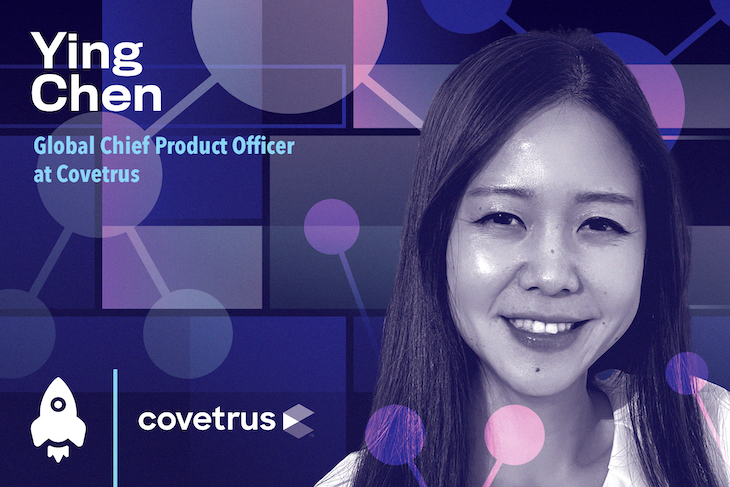
We sit down with Ying Chen to talk about product marketing methodologies, customer feedback, and using AI to drive business value.
To focus on outcomes, product teams need to adapt their mindset to think outcome-first, get buy-in, and deliver on these outcomes over time.