
The ADKAR model helps you transition through a change and the acronym stands for: awareness, desire, knowledge, ability, and reinforcement.

Competitive advantage can only be created with strategic management. As PMs, we identify the differentiator points and amplify them to create a competitive advantage.

Silos are the obstacles and barriers that occur between different teams and inhibit the transmission of information.

A Lean Canvas is a single, visual document that outlines what you need to consider when moving from a potential idea to a mature business.

The agile premise of working in short iterations to create a working product increment and learning from feedback to understand what to best do next is essentially PDCA.

Product lifecycle management is essential for companies that are looking to stay competitive in today’s rapidly changing business environment.

When you embrace Conway’s law and understand its influences on organizational structure and social dynamics, you can benefit from its direct correlation with product outcome and quality.
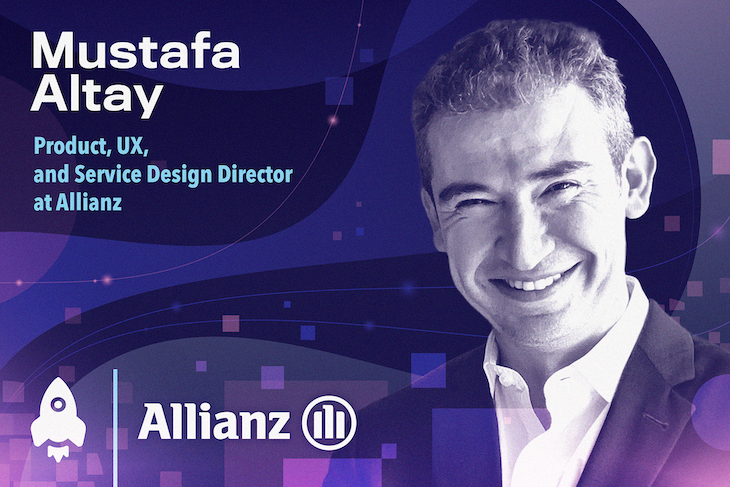
We sit down with Mustafa Altay, Product, UX, and Service Design Director at Allianz-Turkey, to talk user data and building an experience-driven culture.

There is more art than science to creating a product vision statement. Check out some examples of product vision statements that drive the development of real-world products.

Love them or hate them, product roadmaps are an integral part of any PM’s job. In this guide, we’ll walk you through how to build one and provide a template you can use to build your own roadmaps.

DACI is a decision-making framework for agile, cross-functional teams designed to clarify expectations around roles and responsibilities. Learn more about this and other related models.

In project management, the iron triangle refers to the interrelationship between three primary forces in a project: scope, cost, and time.