Application performance monitoring (APM) empowers you to make informed decisions that enhance overall user satisfaction and ultimately boost your bottom line.
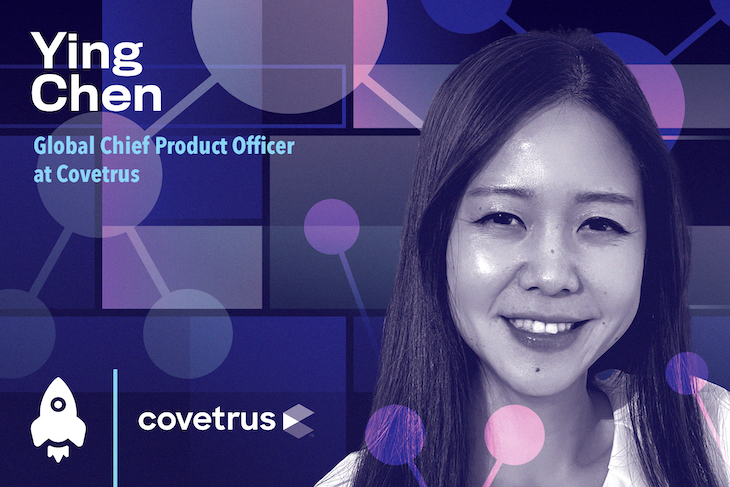
We sit down with Ying Chen to talk about product marketing methodologies, customer feedback, and using AI to drive business value.

User stories play a pivotal role in UX design, helping designers empathize with users and craft meaningful user experiences.

To focus on outcomes, product teams need to adapt their mindset to think outcome-first, get buy-in, and deliver on these outcomes over time.

Learn how we put together a high-performing team that built a working version of a product — a game called Fantasy Chess — in six weeks.

Adaptive leaders do not rely on their position to make decisions, but instead justify them with data and reliable insights.

This article looks at a handful of companies that have adapted and/or created working models that allowed them to be successful.

Market opportunity analysis is the pivotal first step in crafting both a company’s initial strategy and its product strategy.

We often attribute a company’s success to hard work and execution, but timing is equally crucial (remember SmarterChild?). In this guide, we explore strategies to devise an effective time to market strategy for your product.

PRINCE2 is a product-focused project management methodology that concentrates on identifying, defining, and managing products.

A tiger team consists of a group of experts from various fields who collaborate together to solve a specific, pertinent, or prioritized problem.

In this guide, we’ll define what acceptance criteria are, how to write them effectively for your user stories, the role of acceptance criteria in agile methodologies, and more.