What sets memorable brands apart from the rest? It’s the brand design that leaves a lasting impression on consumers and shapes their perception of the brand.
The visual aspects of a brand strategy — Apple’s logo, Coca-Cola’s color palette, or Ferrari’s images — make brands stick.
At the heart of brand design is the brand designer, responsible for crafting a compelling visual brand identity that resonates with users and evokes the desired emotions.
Let’s dig deeper into what a brand design is and the role of a brand designer.
A brand design is the visual identity of a company and its products. This visual identity consists of aspects like:
All these elements contribute to a visual identity that evokes desired emotions, differentiates the brand from others, and communicates with users.
The brand design can make a tremendous difference in how your brand is seen. Let’s take a look at three different style scapes (one-pagers, a branding jargon, showcasing the brand direction) for a company:
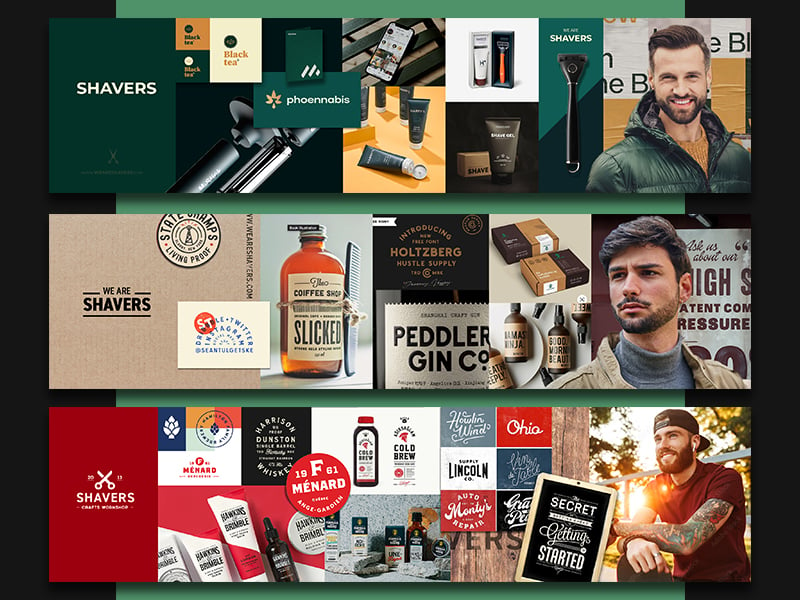
One product, but three completely different visual messages invoking different emotions:
These three different brand design directions will resonate with an appeal to completely different target audiences.
A brand designer is someone who executes the whole brand design process that we just discussed.
So they can either be a generalist who handles the whole process, from the logo to the colors to the illustration design, or a specialist who focuses on a specific niche. Specialized logo designers, for instance, can charge five to six digits for an engagement.
But a brand identity doesn’t change every half a year, and you don’t need a new logo every year. So, what do in-house brand designers do in the meantime? Maintenance.
Maintaining a brand’s visual identity isn’t an easy task. There’s so much to do on a day-to-day basis:
Brand design is periodical — with a high-intensity period during the brand identity creation and a low-intensity period in maintenance. So brand designers usually:
To be a great brand designer, one must master the following four skills:
A memorable visual identity is, first and foremost, beautiful. A brand designer knows that without an aesthetic visual appeal, the final product will be average in terms of looks, no matter how much time they spend selecting colors or images.
Great brands bring a sense of novelty. So, being a brand designer, you can’t just follow best practices and standard patterns to create a brand identity. If you do that, yours will be just another company with a common visual style.
Details matter.
Something as simple as a logo with a company name can be executed in various directions, and each will communicate a different message and resonate differently:
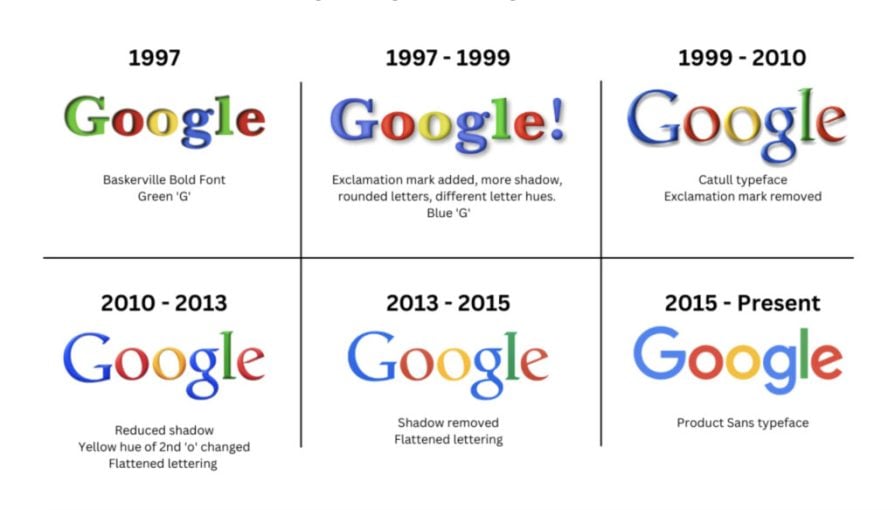
Sometimes, it’s all about zooming in and improving that one little pixel. The details add up, so a good brand designer will have a sharp eye for detail.
The brand designer must be well-versed in design tools to nail their job — there’s Photoshop, Indesign, Illustrator, After Effects, among others. Knowing Figma will not be enough. A versatile set of technical design skills is as important as your creative ones.
If you want to become a brand designer, let’s examine a few paths to the job:
Higher education may not yield a good return on investment, but design majors are different. With so many people interested in design disciplines, jumping straight into designing strong fundamentals and theory can help you differentiate yourself.
Ideally, you would study a major directly tied to branding, such as a B.A. in Brand Design, but since these are rare, viable alternatives include graphic design, communication design, or other art-related studies. Psychology and marketing can also be helpful.
Although all design and art-related courses can be useful, I strongly recommend courses from The Futur.
Some of my picks that’ll lead you into becoming a brand designer include:
If you are interested in a more comprehensive course, Flux-Academy offers a full course on brand design for $695.
Design theory is one thing, but brand designing is all about practice. You’ll need a portfolio to become a brand designer. And luckily, you don’t need an actual client to do so.
There are two ways to build a portfolio. One, you could find a brand you believe could use some improvements and design a proposal for them. Or two, you could Build a brand from scratch. Think of a company you’d like to design for. Some starter ideas I can think of are:
Develop fully-fledged cases with research and thinking processes, or just go for style scapes. The latter is usually the first thing people evaluate when judging the portfolio.
According to Glassdoor, brand designers can expect to make between $77,000 – $116,000.
The actual numbers can be higher, though. I say this because most great brand designers either run small agencies or work freelance, where, based on their experience and reputation, they can earn significantly higher numbers.
Brand design is all about establishing a visual identity that helps:
Brand design develops and then maintains this identity to ensure every visual asset the company produces is on brand.
If you have a sense of aesthetics and attention to detail, find yourself creative, and don’t mind learning a few technical tools, this design career might be right for you. Consider formal education in that direction or various online courses. However, nothing will beat a stunning portfolio.
Although working in-house is one of the brand design paths, given the nature of work, brand designers tend to work freelance, where they can also charge higher rates.
Ultimately, every company has a brand design. The question is if you develop it consciously or randomly.
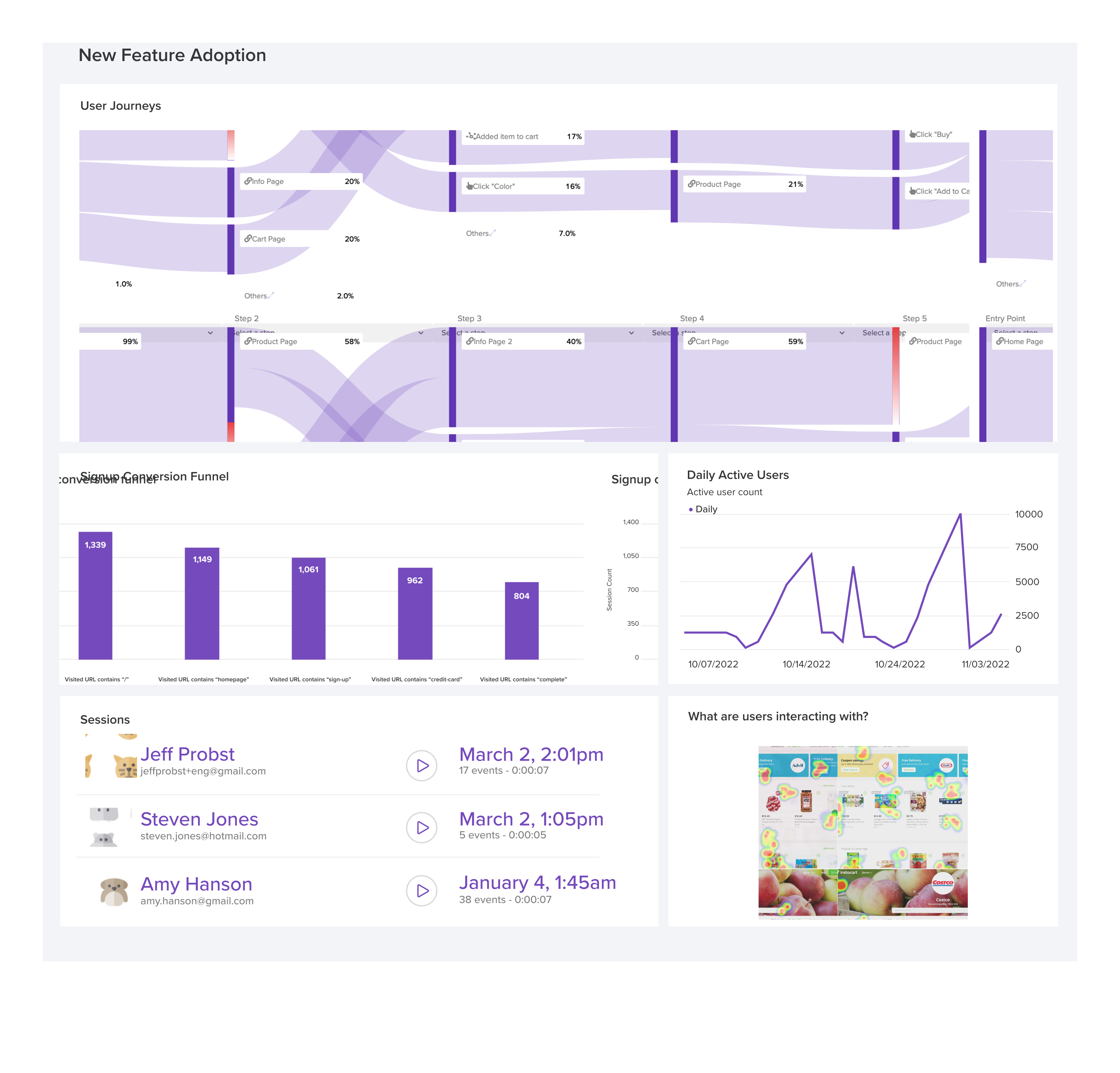
LogRocket's Galileo AI watches sessions and understands user feedback for you, automating the most time-intensive parts of your job and giving you more time to focus on great design.
See how design choices, interactions, and issues affect your users — get a demo of LogRocket today.
Explore the core principles of GUI design and learn how consistency, simplicity, feedback, accessibility, and user testing contribute to better digital experiences.

After five years in UX, I revisited the Daily UI challenge to reconnect with hands-on design. Along the way, I learned that great interfaces come from thoughtful briefs, sound judgment, and user feedback, not just better AI tools.
Learn what makes a great login screen through real-world examples and UX best practices for creating secure, accessible, and low-friction authentication flows.
Skeuomorphism helped define early digital interfaces by mimicking real-world objects to make technology more intuitive. Learn how it compares with flat design and neumorphism, why it declined, and where it still has a place in modern UX.



 Learn more →