JavaScript’s Date API has many limitations. Explore alternative libraries like Moment.js, date-fns, and the new Temporal API.

Explore the developer experience for Next.js vs. React and how recent releases have affected them, including Next.js 13 and React 18.
There are five different types of grids at your disposal as a UX designer. In this blog, I talk about which grid works best for which use case, so you can find the best one for your next design project to be intuitive and functional.
Nobody wants their design to confuse users. Running a UX audit will uncover all the “oops” moments in your UI and help fix what’s broken and craft UX that “wow”s users.

Explore use cases for using npm vs. npx such as long-term dependency management or temporary tasks and running packages on the fly.
Moment.js is a popular library for date processing, but it can be excessive for simpler projects. Try alternatives like date-fns or the JavaScript Internationalization API.

Bryanne Pashley talks about how she enhances and develops soft skills, such as empathy, within her team.
Here are some tips and best practices for optimizing website footer UX, as well as considerations for mobile and responsive footers.
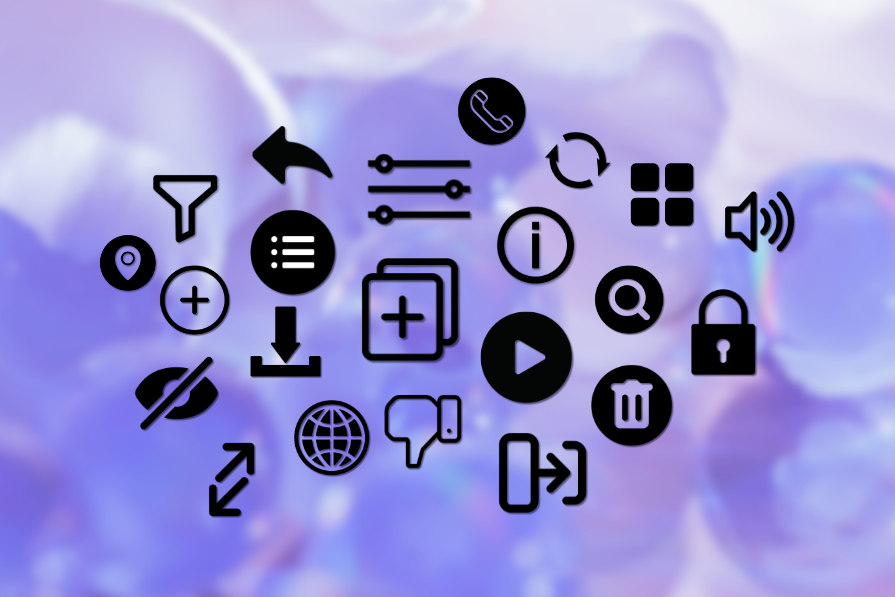
This design process checklist for icons will guide you step-by-step, making it easier to design icons that enhance any interface.

Validating and auditing AI-generated code reduces code errors and ensures that code is compliant.

Use React Native to build cross-platform apps that run on multiple operating systems and easily style components.

Build a real-time image background remover in Vue using Transformers.js and WebGPU for client-side processing with privacy and efficiency.