Use HTML, CSS, JavaScript, and Firebase to create a basic text editor that allows you to create, edit, download, share, and access documents.

When building applications, it’s important to provide a clear path towards testing, which will reduce the time spent debugging and refactoring code.

Build a high-performance bookstore RESTful API in Go using Gorm and Gin web framework that provides book data and performs CRUD operations.

Learn how to write better TypeScript types and avoid maintenance and unnecessary changes to code as your app adapts to evolving requirements.
Learn to create end-to-end tests in NestJS and use TypeORM to provide database connectivity in our application.
Learn how component testing differs from E2E testing, why you should use Cypress for component testing, and the basics of how to test your Vue components with Cypress.
Join Rob Richardson on November 21st at 12 p.m. ET and take a deep dive into TypeScript testing. Unit tests? […]

Both Next.js and Django can efficiently handle a web application’s frontend and backend sections. Therefore, it’s unsurprising that this combination has a few use cases.
Use Selenium and Docker to test a website, and start a Selenium Grid that allows you to test a website on Chrome and Firefox browsers.

Here’s how to create a web application in Go using Copper that will be able to perform basic create, read, update, and delete operations.
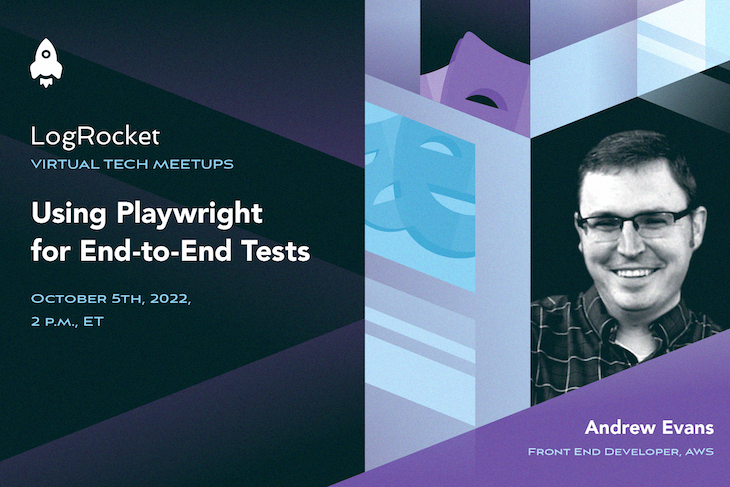
< View the recording Thanks for joining us! Relevant links from the talk: Andrew’s post on Playwright end-to-end testing Andrew’s […]

Let’s explore the benefits of using simulation vs. real device testing for Flutter apps and consider which will best suit your needs.