
Container queries let components respond to their own layout context instead of the viewport. This article explores how they work and where they fit alongside media queries.
Small actions can have large consequences in complex systems. Here’s how UX designers can manage dependencies so users feel informed and in control rather than blocked or blindsided.
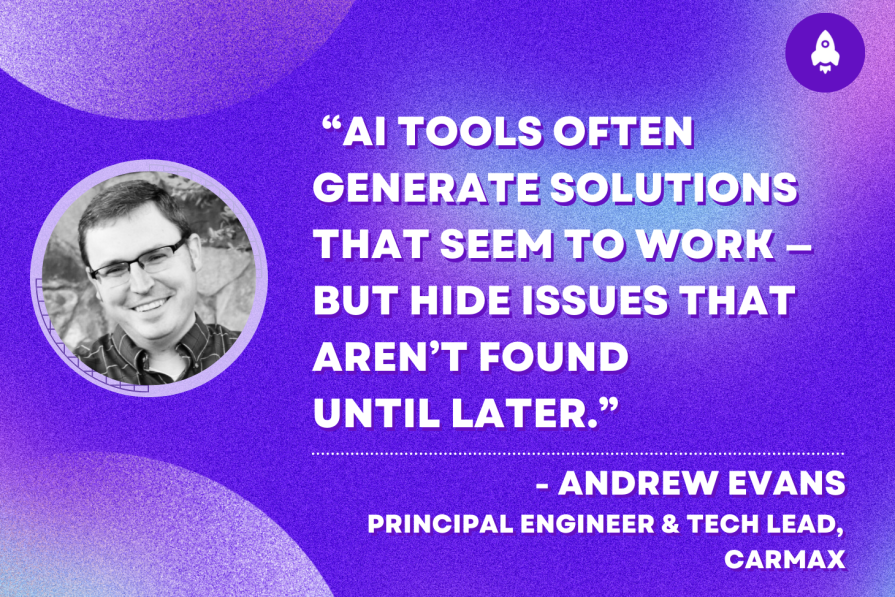
Andrew Evans, principal engineer and tech lead at CarMax discusses five ways to fix AI-generated code and help you debug, test, and ship safely.

Stop letting unreliable data block features. Treat data as inventory to track quality, ownership, and ship with confidence.

Error boundaries catch only render-time failures, which isn’t enough for modern async UIs. Signals treat errors as reactive state, giving you consistent handling across your app.

Users don’t think in terms of frontend or backend; they just see features. This article explores why composition, not reactivity, is becoming the core organizing idea in modern UI architecture.

UX initiatives often struggle to make it onto the roadmap. Learn how to align design work with PM priorities, communicate impact in business terms, and collaborate early to turn user-focused ideas into product-backed initiatives.

Early engineering input drives smarter roadmaps, faster delivery, and more innovative solutions that meet real customer needs.

React 19 breaks old third-party integrations. Learn why concurrent rendering exposes brittle SDKs and how to rebuild them with resilient modern patterns.
Writing REST APIs by hand is a thing of the past. Frameworks like tRPC, Fastify, and Hono eliminate boilerplate with schema-driven design, improving speed and safety.

Avoid the AI hype trap. Learn how PMs can balance ambition and honesty to build trust, avoid overpromising, and deliver real value.
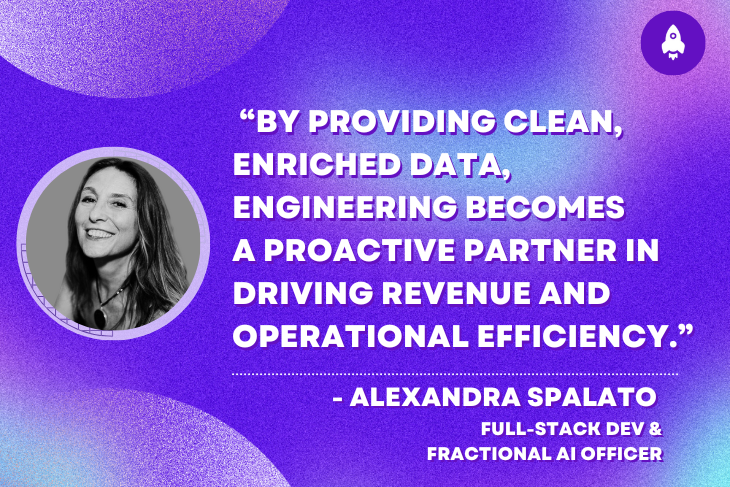
Walk through building a data enrichment workflow that moves beyond simple lead gen to become a powerful internal tool for enterprises.