
Ecosystem mapping provides a clear view of the complex interactions and dependencies surrounding your product.

Sarah Jacob shares how great products need to be supplemented with excellent storytelling, messaging, value propositions, and go-to-market.

Gherkin, combined with behavior-driven development, are powerful. They provide guidance and clarity while reducing confusion.

When it comes to managing a product, you need to find the right balance between innovation and optimization.
A Pareto chart combines a bar chart with a line chart to visually represent the Pareto Principle (80/20 rule).

Without a clear prioritization strategy, your team will struggle to tackle competing demands and can end up confused and misaligned.

A successful launch creates a compelling narrative that highlights an unmet need in the market and then builds hype around the product.

Determining your minimum viable features (MVF) helps you achieve this by aligning your product development with customer needs.

Scrum ceremonies are a series of structured events that provide a foundation for effective communication, collaboration, and decision-making among team members.

René Insam talks about how he empowers and retains top talent by keeping an active interest in people’s development.
Product requirements documents act as a bridge between what stakeholders envision for the product and what the development teams can realistically execute.
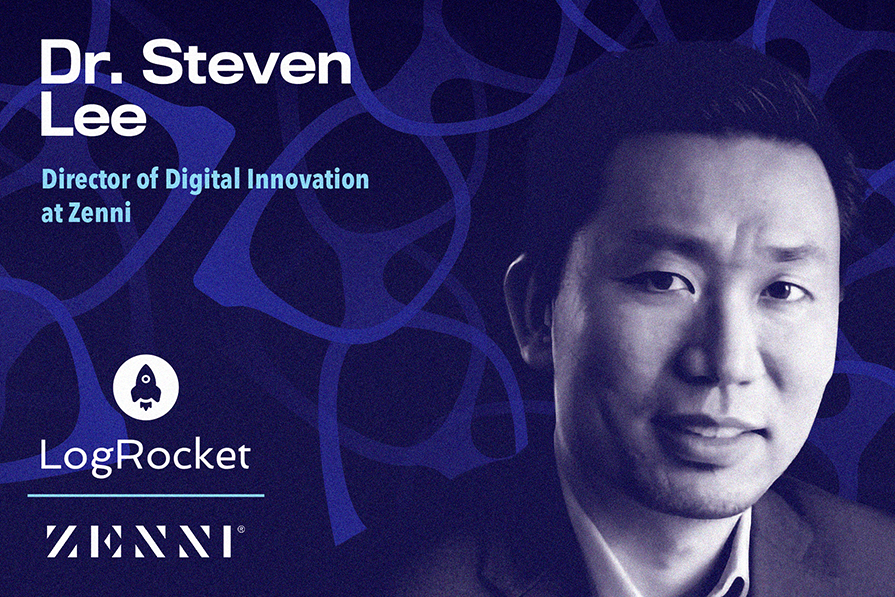
Dr. Steven Lee, Director of Digital Innovation at Zenni Optical, discusses his experience with creating and patenting novel innovations.