
Matthew Mamet talks about unlocking growth and transitioning an organization from a startup to a scale-up.

Abner Rosales Castillo talks about his team’s process for building and training machine learning and predictive analytics models.

Scrum meetings help foster collaboration while setting shared expectations and delivery goals for the development teams.

A team working agreement mitigates frustration and helps prevent friction by clearly defining where one role’s obligations end and others begin.
Product principles help you simplify decision-making by enabling alignment without the need for lengthy discussions.

PMs need to put methods, frameworks, and systems in place that minimize the adverse impact and maximize the potential of the changes, and a change control process does this well.
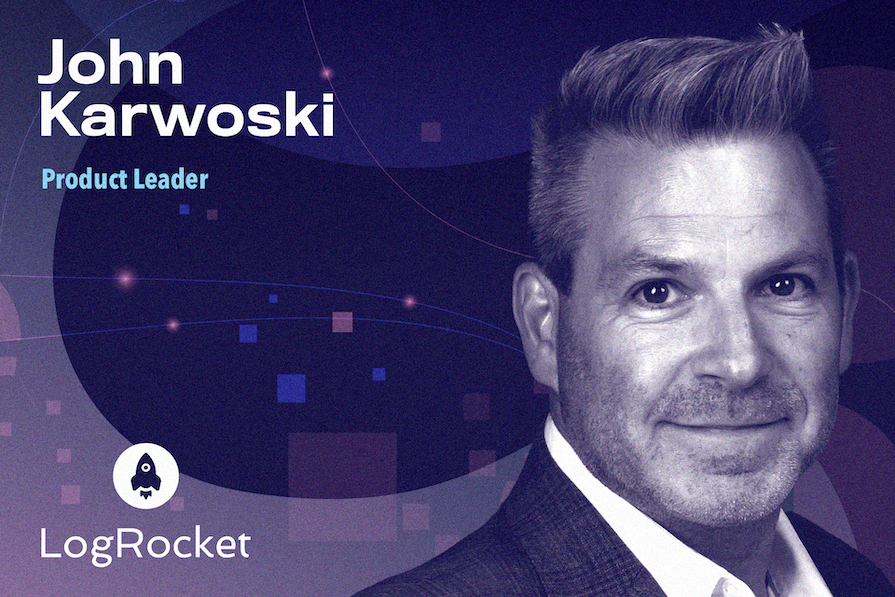
John Karwoski sat down with us to discuss the importance of everyone in the organization owning the voice of the customer.

A proactive approach to technical debt leads to faster recovery, better performance, and a healthier product. With the right strategies, you can manage it without sacrificing innovation.

The INVEST principle is a practice/framework to follow when creating user stories. INVEST stands for independent, negotiable, valuable, estimatable, small, and testable.

Christina Trampota shares how looking at data in aggregate can help you understand if you are building the right product for your audience.

Burnup charts are heavily underappreciated and forgotten tools, and that’s because agile literature falsely assumes that the scope of the sprint doesn’t change much.

FDD is an agile framework for software development that emphasizes incremental and iterative progress on product features development.