Product managers aren’t perfect and mistakes will happen. However, every issue offers a learning opportunity.
Matt Moore talks about how new technology, such as AI, is changing healthcare for the better and improving patient outcomes.
Sara Sell, Director of Product Management at Daxko, shares how she developed skepticism and curiosity from her time in teaching and research.
Priya Raghunatha shares her perspective on digital strategy and the two lenses it encompasses: data-driven and perception-driven.

Understanding the root causes of project bloat is essential for aiming to improve productivity and streamline workflows.

Unlike generic prioritization methods, customer-valued approaches place user and/or client impact at the heart of decision-making.
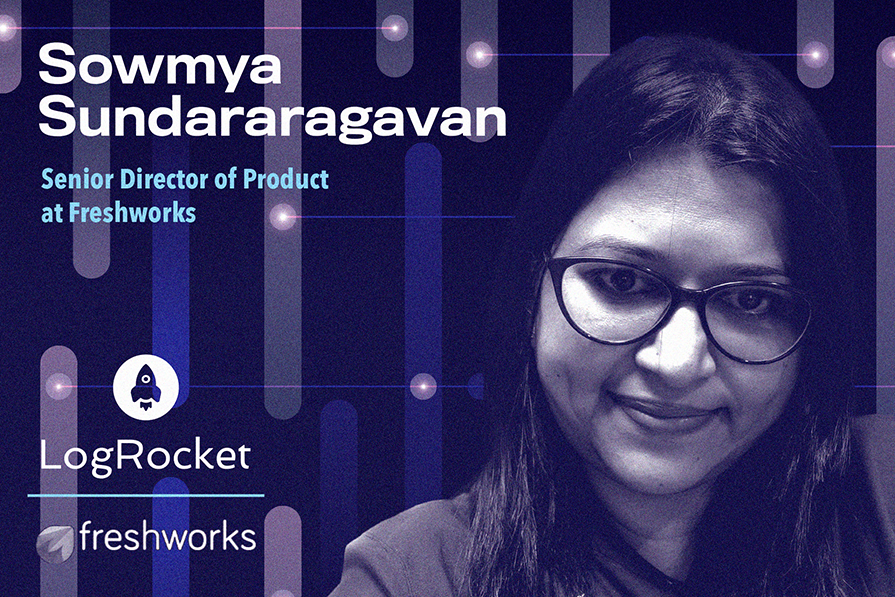
Sowmya Sundararagavan shares best practices for maintaining a strong long-term vision while also remaining flexible.
Good UX research starts with a smart UX research plan. Keep it simple, keep it actionable, and see the difference.

A product sense interview measures a candidate’s ability to understand users deeply, frame problems clearly, and generate creative solutions.

It’s important to distinguish between these roles and create an infrastructure where they come together to build useful products.

At its core, product lifecycle management (PLM) software is a tool designed to manage every aspect of a product’s lifecycle.
Design thinking doesn’t have to be all serious and structured. These 16 fun and easy exercises will help you and your team get creative, stay focused, and solve problems with a fresh perspective.