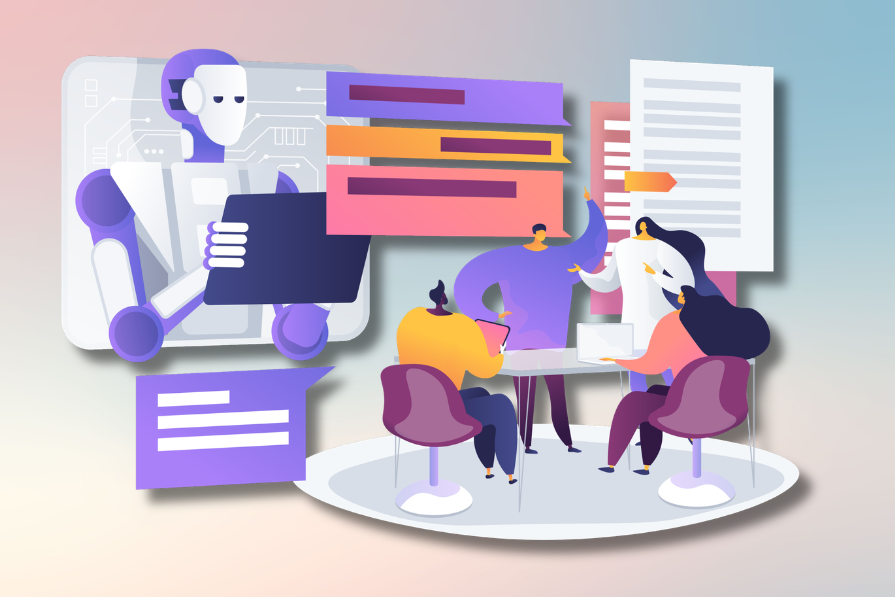
Giving designers AI tools is the easy part. I share how our team used office hours, small experiments, hackathons, and shared failures to build better AI habits together.

Conversion optimization works best when it improves the experience, not just the metric. This guide covers experimentation, accessibility, personalization, guardrails, and AI-assisted CRO without crossing into manipulation.
We thought a robo advisor would help users invest. Instead, four months of work led to almost no adoption. Here’s what we learned about validating assumptions, listening to users, and building the right thing.
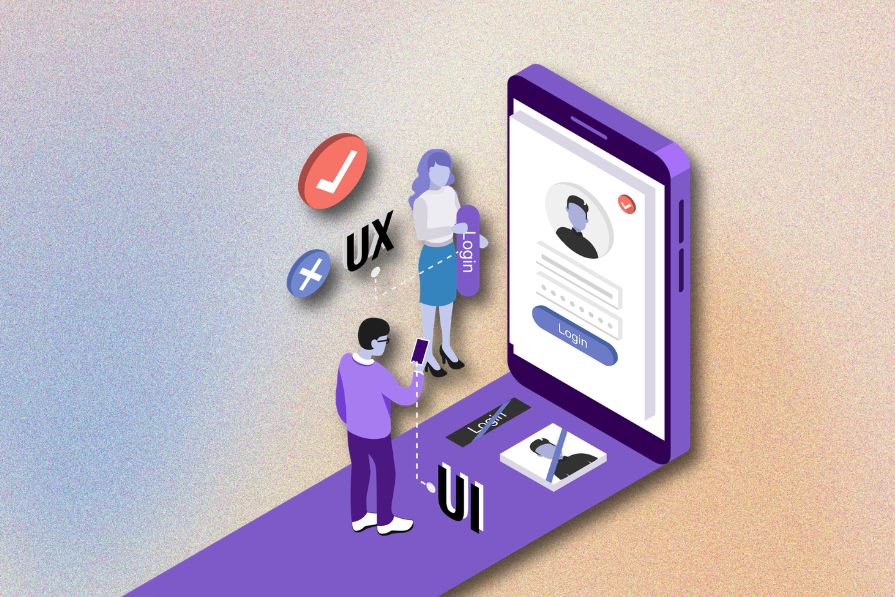
After years of designing and building digital products, I’m sharing 10 UX lessons that challenged my assumptions about minimalism, AI, familiarity, and more.
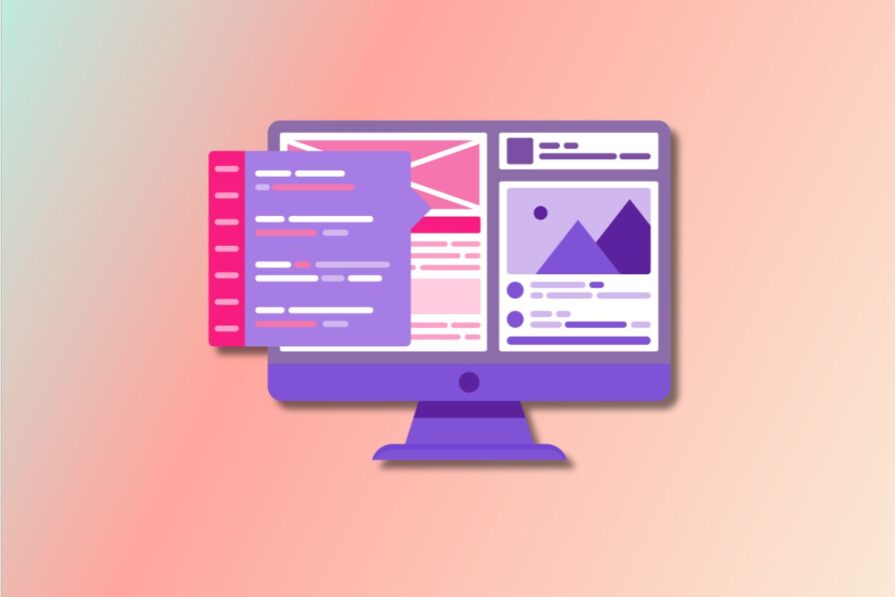
Not every enterprise product needs to be intuitive. Complex workflows often require complexity, and trying to eliminate it can make products less powerful for experienced users. Explore why enterprise UX should balance intuitiveness with learnability, efficiency, and long-term mastery.

I used to leave design reviews with a stack of subjective edits. Then I learned to tell the story behind my work and rework dropped fast.
Learn how much AI fluency product managers need, which skills matter most, and why human judgment remains their competitive advantage.
Skipping prototypes can leave developers guessing and important UX problems undiscovered. Here’s how to prototype with purpose, choose the right level of fidelity, and use AI-assisted tools without losing sight of what you actually need to validate.

Vibe coding lets you describe an app in plain language and watch AI build it for you. Here’s how I created two micro-apps — a form-filling extension and a X trend finder —that cut my daily workload in half.
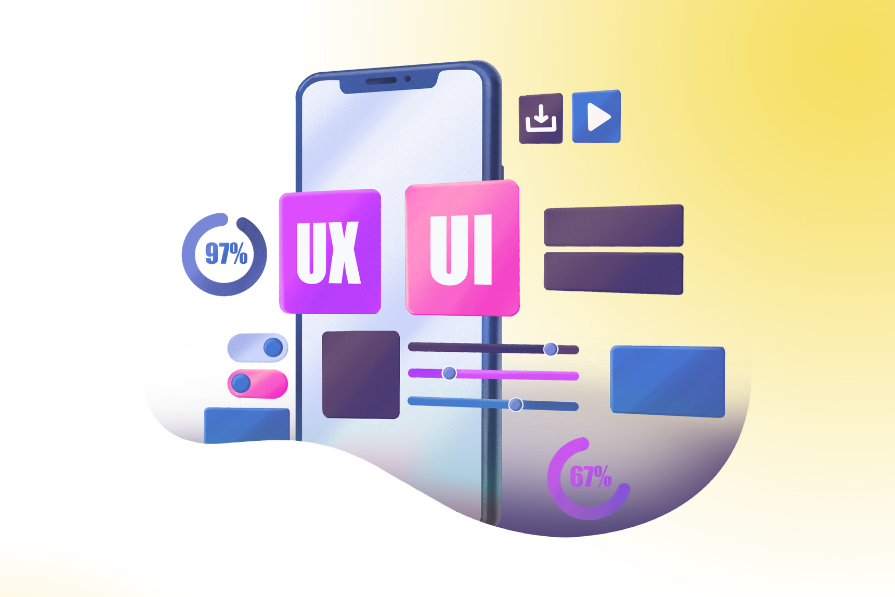
After five years in UX, I revisited the Daily UI challenge to reconnect with hands-on design. Along the way, I learned that great interfaces come from thoughtful briefs, sound judgment, and user feedback, not just better AI tools.
Learn how tech PMs can take over inherited products, gather context, clean up backlogs, find quick wins, and make smarter decisions.

PMs don’t need fake authority to lead well. Learn how shared context, clearer trade-offs, and better decision-making build stronger teams.