
At its core, product lifecycle management (PLM) software is a tool designed to manage every aspect of a product’s lifecycle.

Design thinking doesn’t have to be all serious and structured. These 16 fun and easy exercises will help you and your team get creative, stay focused, and solve problems with a fresh perspective.

Scenario analysis is a strategic planning tool that helps you envision a range of possible future states and the forces behind them.

As a product manager, you express customer needs to your development teams so that you can work together to build the best possible solution.

Users see a product; designers see layers. The 5 UX design layers — strategy, scope, structure, skeleton, and surface — help build UIs step by step.

An IPT isn’t just another team; it’s a strategic approach that breaks down unnecessary communication blockades for open communication.
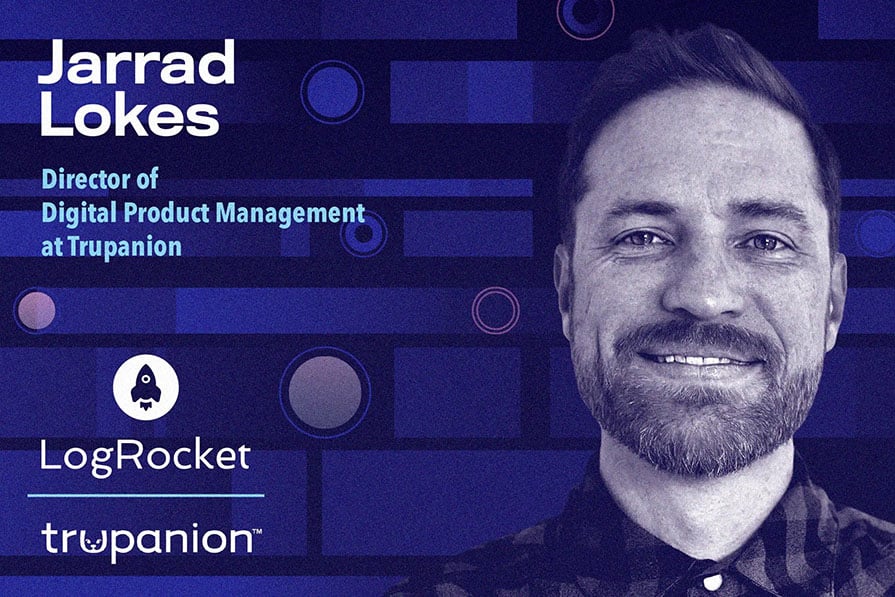
Jarrad Lokes, Director of Digital Product Management at Trupanion, shares how trust is an artifact of the transparency and value you provide.
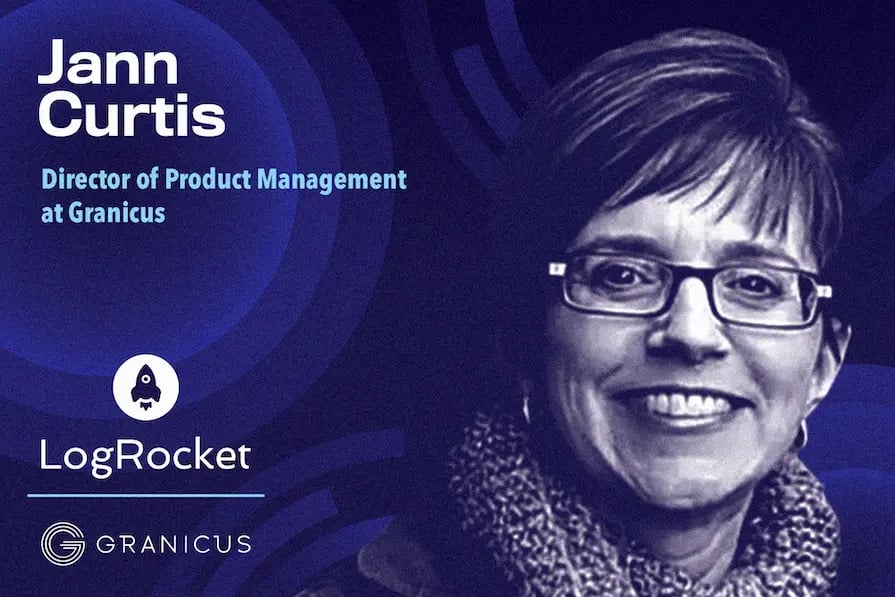
Jann Curtis talks about understanding your audience’s purpose and what they hope to get from the conversation.

Market saturation occurs when most of your potential customers already own or regularly use your product, leaving limited room for growth.

Pratiksha Rao, Head of Product, Thumbtack Pro at Thumbtack, shares how she works to empower her teams to grow as individuals and with the organization.

Growth loops are a self-sustaining mechanism where certain actions users take lead to the acquisition of more users.

A greenfield project is one that does not have any existing infrastructure or legacy systems — i.e., a project built from scratch. Learn the benefits, drawbacks, and five stages of greenfield projects.