When you first pictured becoming a product manager, you probably didn’t imagine pushing the same release notes filled with “bug fixes and minor improvements.” The appeal of product management lies in solving problems by shipping great products and features. But this reveals a fundamental product development challenge: when to stick with small, steady updates and when to rebuild your product with a fresh vision.
The world of mobile phones provides a useful metaphor. Samsung and Apple release new phone models every year that often seem barely any different than the previous versions. Meanwhile, users complain online about being starved for innovations. The companies resist drastic changes because the stakes are enormous: alienating millions of loyal buyers for a gamble that might not pay off.
Software development, however, makes updates easier to roll out. This keeps things stable, predictable, and maybe even boring. Over time, this safe approach tends to push teams towards incremental technical fixes rather than meaning product evolution.
Of course, this only works as long as the status quo goes unchallenged. After all, the most innovative player usually attracts the most attention, and with it, users. Failing to deliver a bold update at the right moment can cost a significant portion of your user base.
Now let’s examine four distinct outcomes in the software world.
Incremental change is often seen as the “safe” choice promoted by agile and scrum practices. This approach keeps products stable and predictable, with fewer bugs and minor imperfections. But this strategy only works as long as your product’s core offering remains fundamentally relevant.
So which products rely on this strategy, and to what end?
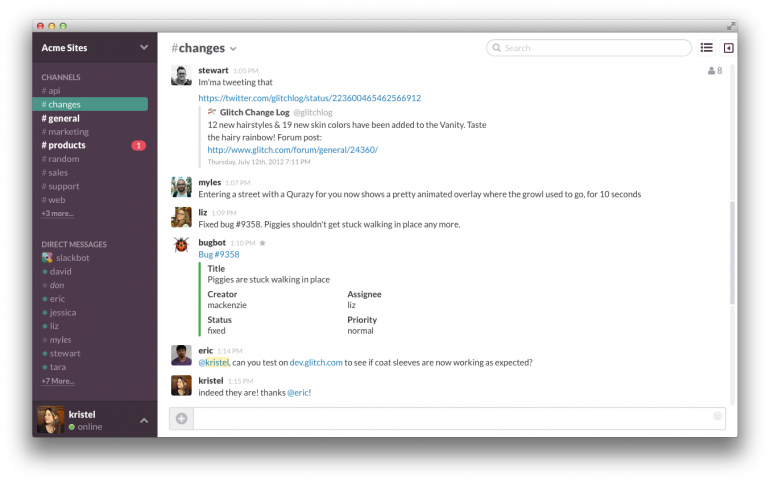
Slack didn’t reinvent team communication overnight. It began as an internal solution when the team was working on a different product and struggled with constant communication issues. That solution evolved into an internal chat tool that showed stronger product-market fit than the original product itself.
Since its launch, Slack has focused on steady refinement rather than radical change. The team has improved notifications, search, integrations, and many other features that helped make Slack a market leader, particularly in experience quality. Each improvement increased product stickiness without disrupting existing workflows. This discipline allowed Slack to scale from startups to large enterprises without alienating its early adopters.
Innovation came not through shocking redesigns but through polishing every corner of the experience, allowing small iterations to compound over time. While a lot has been added over the years, Slack today isn’t dramatically different from what it was when I first started using it. That familiarity makes it easy to return, even after long periods away.
However, what worked for Slack led to the downfall of other well-known products.
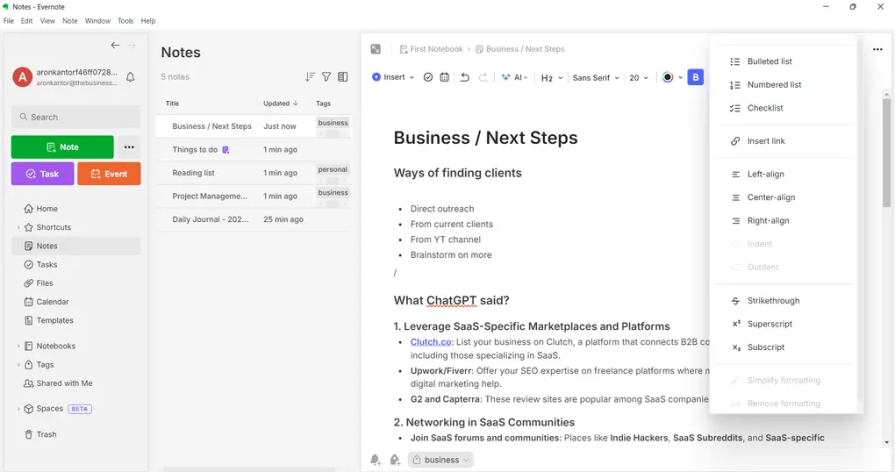
Contrast Slack’s patience with Evernote’s failure to recognize a shifting market. Once hailed as the king of note-taking, Evernote spent years slowly tweaking the same formula: a clunky app experience and a freemium model.
The market, however, moved on. Competitors innovated with customer-centric design at the forefront, while Evernote refused to rethink its fundamentals and was left behind. Incremental changes couldn’t close the widening gap.
By the time the need for an update became undeniable, Evernote joined Nokia and Blackberry in the group of once-dominant brands undone by underestimated competitors.
But what happens if you take a different route built on constant product revolutions?
Fundamental change, often manifesting as a “pivot”, becomes necessary when a product’s core value proposition is failing or when a technological shift such as AI invalidates the existing business model. It can also involve jumping ahead of the market with a never seen before innovation or concept.
This approach succeeds only if users are willing to embrace the change rather than abandon the product because of it.
Let’s review examples of both.
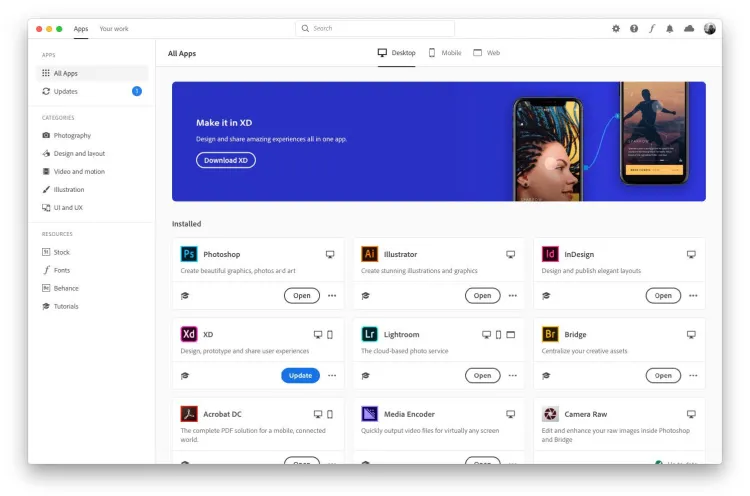
Adobe once sold Photoshop, Illustrator, and Premiere as expensive boxed software. Updates were released roughly once a year and needed to promise major new features to convince users to upgrade. This model pushed teams to prioritize flashy releases over long-term product polish.
That all changed when Adobe shifted to a subscription-based business model.
The backlash was immediate. Designers and photographers objected to paying ongoing monthly fees. The gamble ultimately paid off because the model aligned with long-term user value: access to continuous delivery and constant updates.
The subscription approach created predictable recurring revenue and stronger customer retention by ensuring users always had access to the latest tools. Today, Creative Cloud is an industry powerhouse, demonstrating that bold change can succeed when it aligns with sustainable business models and long-term user value.
While many users never fully embraced the subscription model, the steady influx of revenue enabled Adobe to invest heavily in product quality. The result is a toolset so advanced that competing alternatives struggle to keep up. For most professionals, the choice has become simple: pay the monthly fee or settle for an inferior option that is often subscription-based anyway.
However, what happens when a massive update gamble doesn’t work out?
Radical change can succeed, but without empathy for core user behavior, it can trigger a massive backlash that damages the product itself. In 2018, Snapchat released a major redesign that split content from friends and celebrities into separate tabs. The goal was to improve clarity and guide users toward more relevant content.
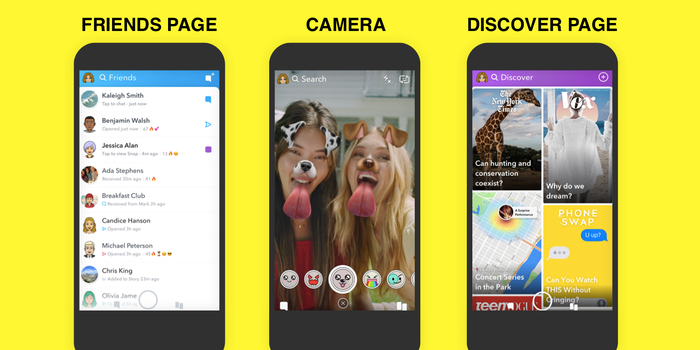
Users disagreed loudly. Over a million signed a petition demanding the old design back. Engagement fell, and Snap’s stock price dropped by billions of dollars. The attempt to “fix” the experience failed to account for the emotional connection users had with the product. Many enjoyed the messy, blended feed and didn’t want it reorganized.
Snapchat was forced to roll parts of the changes, but the damage had already been done.
The backlash was highly visible. A similar reaction occurred years before at Facebook, where protesters gathered outside company offices following the launch of Facebook Wall. In that case, however, usage data showed that despite vocal opposition, the majority of the users embraced the change.
So, how do product teams decide when to pursue evolution versus revolution, and how can you recognize whether the decision was successful?
The common thread across these case studies is that the right choice is always contextual.
As a PM, you’re not just a feature shipper. You’re a strategic risk assessor. The first step in deciding how to move forward is to evaluate the level of risk involved.
Consider the following questions before committing to either strategy:
Even if you know the right path, gaining buy-in from executives, engineering, and sales can be its own challenge. Alignment is critical for major product decisions, so make sure that you:
Now that you have a framework for deciding between slow evolution and sudden transformation, let’s revisit the risks and how to mitigate them in each scenario.
Every product decision involves trade-offs. Incremental and drastic approaches each carry inherent risk. Understanding those risks and building mechanisms to manage them is what separates a lucky gamble from a thoughtful strategy.
The greatest danger of incremental development is drifting into irrelevance. When competitors redefine expectations, small improvements can feel cosmetic at best. Another risk is user fatigue. Frequent updates that deliver no noticeable benefit may register as noise, creating the perception that the product is stagnating.
This approach can work for a time, but not when fundamental issues remain unaddressed. That gap creates an opening for bolder competitors to enter with cleaner solutions that eliminate long-standing pain points. It’s how stable, reliable Zoom continued to grow while Skype, plagued by reliability issues, was eventually shut down.
So, how do you avoid that outcome?
Mitigation strategies:
Radical change carries the opposite risk: alienating your core audience overnight. Few things frustrate users more than when muscle memory becomes an obstacle instead of a productivity advantage. Drastic change also places significant strain on teams and organizations, increasing execution risk.
Mitigation strategies:
No framework can guarantee the right decision at every point in a product’s life cycle. But with a clear understanding of the risks and tools to mitigate them, you are far better positioned to choose a path that is intentional rather than accidental.
This article might make it seem as though you have to choose between two rigid paths, but that’s rarely the case. The most powerful insight is that product teams can earn trust through consistent, steady iteration while reserving bold change for the moments when it truly matters. Knowing when to move that slider, however, is just as difficult as choosing either extreme.
Iterate too slowly and risk becoming Evernote, obsolete and irrelevant. Move too fast without empathy and you invite a Snapchat-sized revolt. Find the right balance, though, and you can build the compounding trust of Slack or the category-shaping dominance of Adobe.
The strongest product managers know the right path to take and when to take it. Try asking yourself not just what’s easiest today, but what will create the most durable trust and long-term value tomorrow.
See you in the next piece.
Featured image source: IconScout
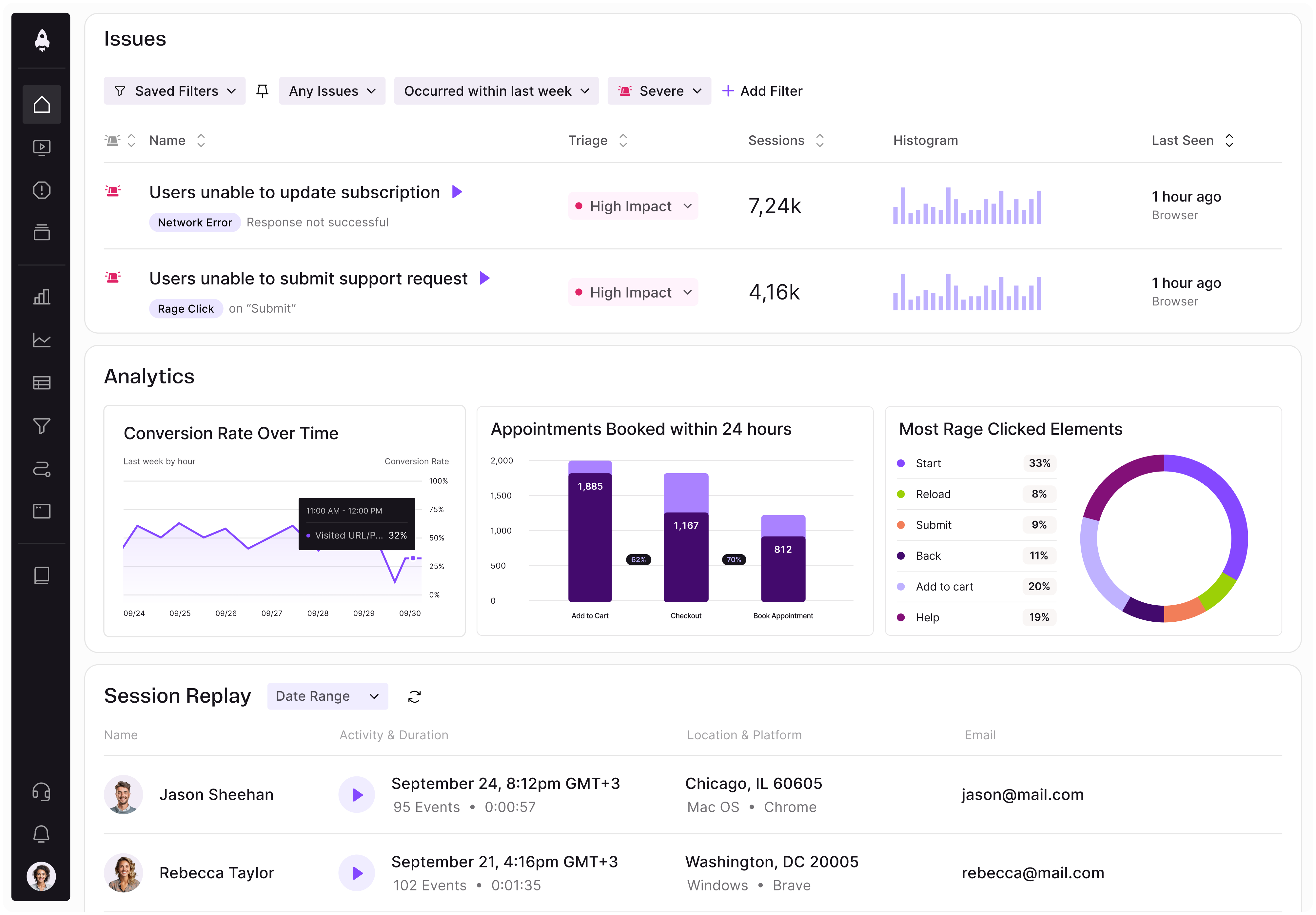
LogRocket identifies friction points in the user experience so you can make informed decisions about product and design changes that must happen to hit your goals.
With LogRocket, you can understand the scope of the issues affecting your product and prioritize the changes that need to be made. LogRocket simplifies workflows by allowing Engineering, Product, UX, and Design teams to work from the same data as you, eliminating any confusion about what needs to be done.
Get your teams on the same page — try LogRocket today.
Learn how to spot PMF erosion early, diagnose the cause, and help your product recover before decline turns into panic.
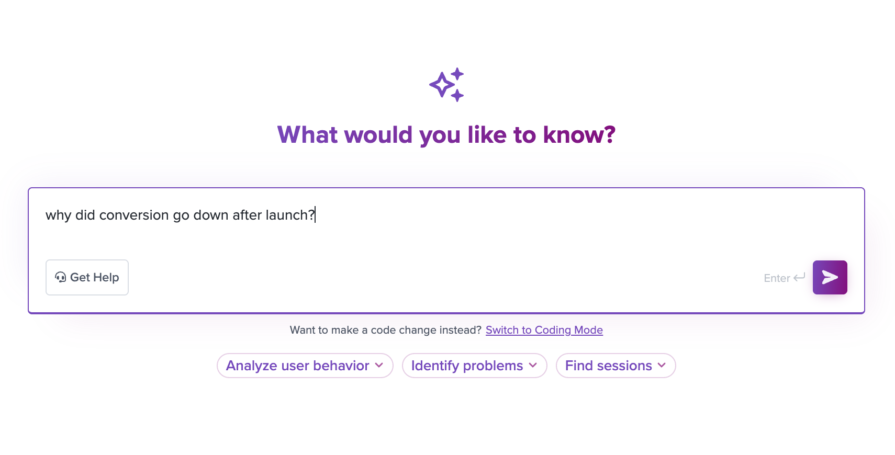
Introducing Ask Galileo: AI that answers any question about your users’ experience in seconds by unifying session replays, support tickets, and product data.
The rise of the product builder. Learn why modern PMs must prototype, test ideas, and ship faster using AI tools.

Rahul Chaudhari covers Amazon’s “customer backwards” approach and how he used it to unlock $500M of value via a homepage redesign.


 Learn more →