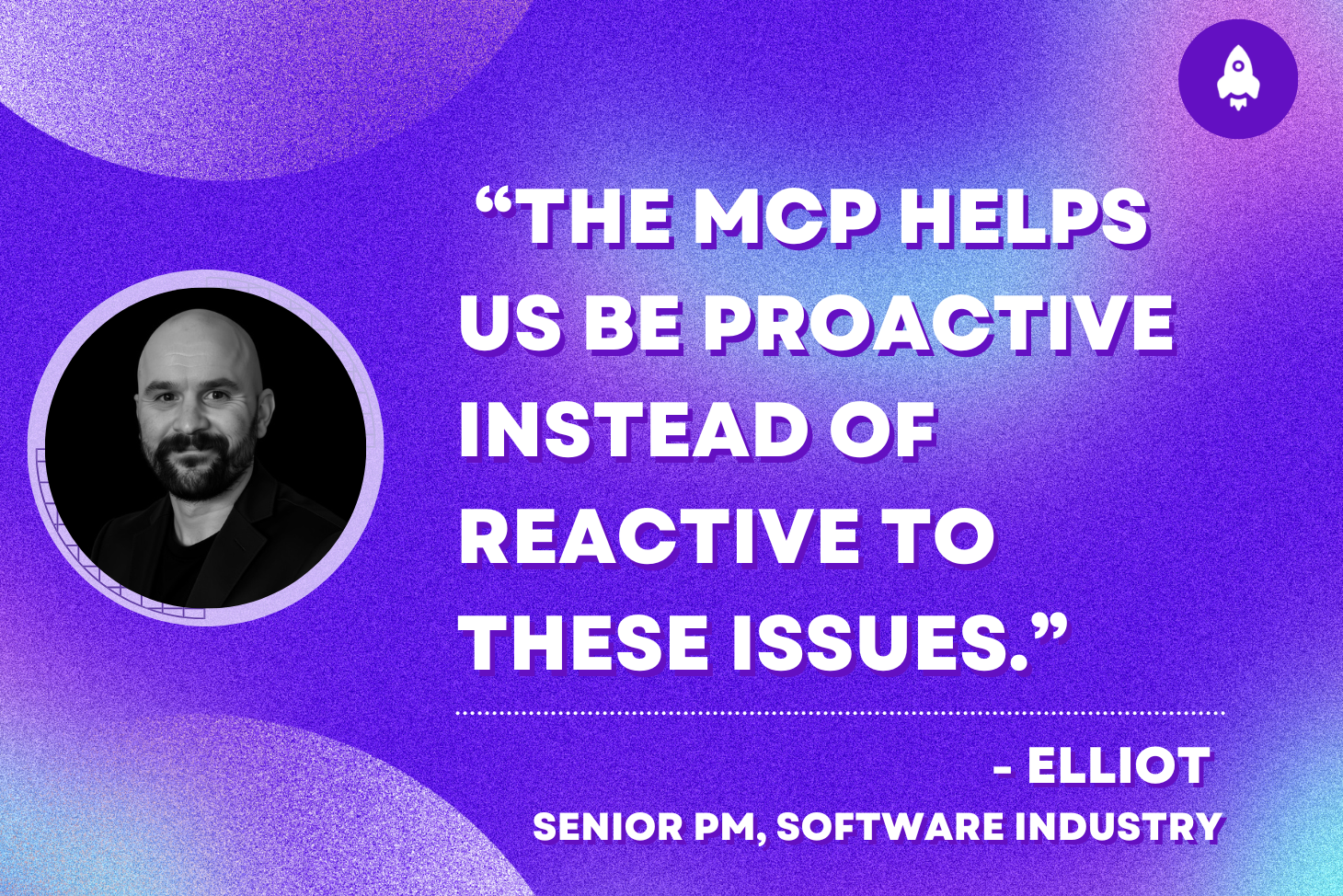
See how a cloud storage PM uses LogRocket’s MCP to power Otto, an internal tool that flags bugs and tracks feature adoption automatically.

A real-app benchmark of cnfast’s drop-in cn() replacement: isolated speed tests look great, but does any of it survive contact with an actual React render?
Learn how much AI fluency product managers need, which skills matter most, and why human judgment remains their competitive advantage.

Learn what human-computer interaction is, discover its principles, and take a look at interaction design in HCI and its applications here.
Learn to build multi-turn AI agents with Genkit’s Agents API — with persistent Firestore sessions, detached long-running turns, and human approval gates.

Learn how to build and deploy production-ready AI streaming applications in Nuxt using the Vercel AI SDK, Nuxt UI chat components, and Cloudflare Workers AI at the edge.

Skipping prototypes can leave developers guessing and important UX problems undiscovered. Here’s how to prototype with purpose, choose the right level of fidelity, and use AI-assisted tools without losing sight of what you actually need to validate.
Learn how to build a streaming AI chat app in Nuxt using the Vercel AI SDK, Nuxt UI chat components, and Cloudflare Workers AI for edge inference.
Where AI appears in your interface can shape how users discover, trust, and adopt it. Learn the strengths of common AI UI placement patterns and how to choose the right one for your product.
Meta’s Astryx ships an MCP server and component manifest so agents query real APIs. We tested it against shadcn/ui with Claude Code across three real UI builds.
Add a harm score to product prioritization to catch severe user consequences that RICE and other frameworks can miss.
Ten AI agent skills that solve real productivity problems for senior engineers, install commands, use cases, and when each one isn’t worth the overhead.