
Learn how to build hero sections that load quickly, respond smoothly, and remain accessible, with practical checks for contrast, keyboard navigation, motion, media, and Core Web Vitals.
A design can look right and still fail in users’ hands. Learn how five kinds of prototype stress tests expose edge cases early, from awkward screen widths and real-world inputs to loading states, unexpected interactions, and accessibility.
Prepare your 2027 UX workflow with a practical guide to visualization tools, AI-assisted analytics, accessible charts, and a worked checkout example. Learn what to verify before acting on the data.
Explore how UX designers can use ADPList to find guidance and share experience, what to check before booking, and how its free and paid options compare with other mentorship platforms.
Compare Figma and Canva for UI design, marketing assets, collaboration, and pricing. Learn where Make, Sites, Buzz, Canva Code, and the separate Affinity app fit into your workflow.

I redesigned a book library app with Apple’s HIG and AI. Revisit the lessons, plus a Liquid Glass follow-up covering navigation, materials, and accessibility checks.

Choose a practical Webflow stack for 2027. Compare design, form, analytics, localization, and scheduling tools, with current availability, pricing, and migration guidance for retired features.
AI can help draft UX copy, but fluent output is not proof that it works. Learn how to ground content in research, review it against product behavior, and measure the results.
What could UX design look like in 2027? Explore AI-assisted workflows, changing roles, research quality, and the skills designers can build now, grounded in evidence from 2026.

What Airbnb, PayPal, Dropbox, and other products teach us about trust in UX: make reviews verifiable, explain policy limits, and test understanding alongside conversion.
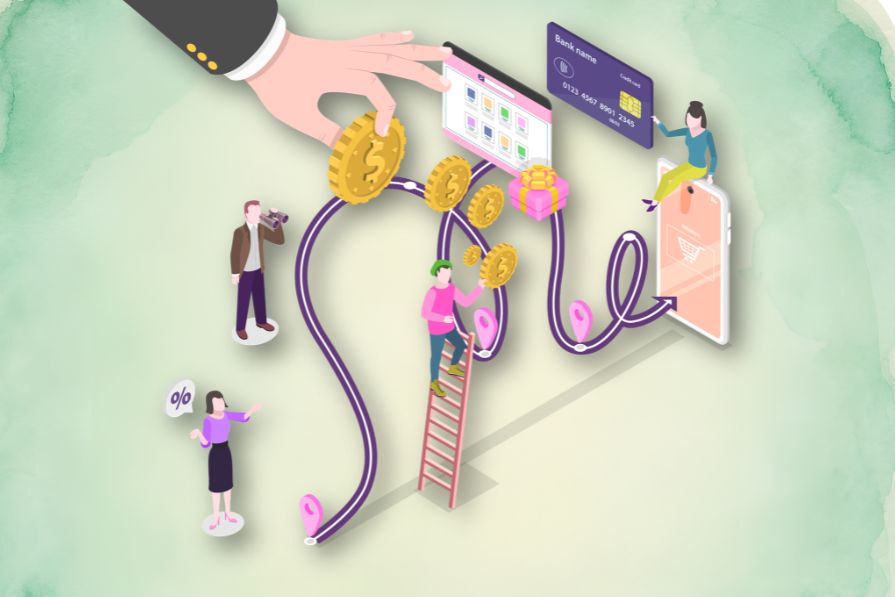
Fixed user flows still have a place, but AI is changing how products respond to user intent. Here’s what designers need to rethink when flows become dynamic.
Framer brings design, CMS, publishing, and AI into one workspace. Here’s how its 2026 workflow compares with Figma Sites, Relume, and Webflow—and when consolidation makes sense.