I once misused parallax scrolling and learned the hard way how motion can frustrate users. Here’s what went wrong, how I fixed it, and practical tips to keep motion design engaging and user-friendly.

Learn why designing for niche user types like first-time, older, or low-connectivity users can boost adoption, loyalty, and market reach.
How did 200+ product managers answer the question: Is PM an art or a science? Find out in this roundup article.
Compare Codex CLI vs Gemini CLI for real-world coding tasks. See strengths, weaknesses, and which AI CLI fits your developer workflow best.

I put Grok 4 to the test on real frontend projects to see if its “math professor-level” intelligence holds up. Here’s how it performed, what it costs, and when to use it.

Discover how AI personas can transform UX design, from simulating users to co-designing interfaces and boosting team speed and accuracy.

Our August 2025 AI dev tool rankings compare 17 top models and platforms across 40+ features. Use our interactive comparison engine to find the best tool for your needs.
Learn how to turn product success into leadership recognition by connecting outcomes to business impact and building visibility.
Learn how top companies and smart UX strategies overcome notification blindness to boost engagement without annoying users.
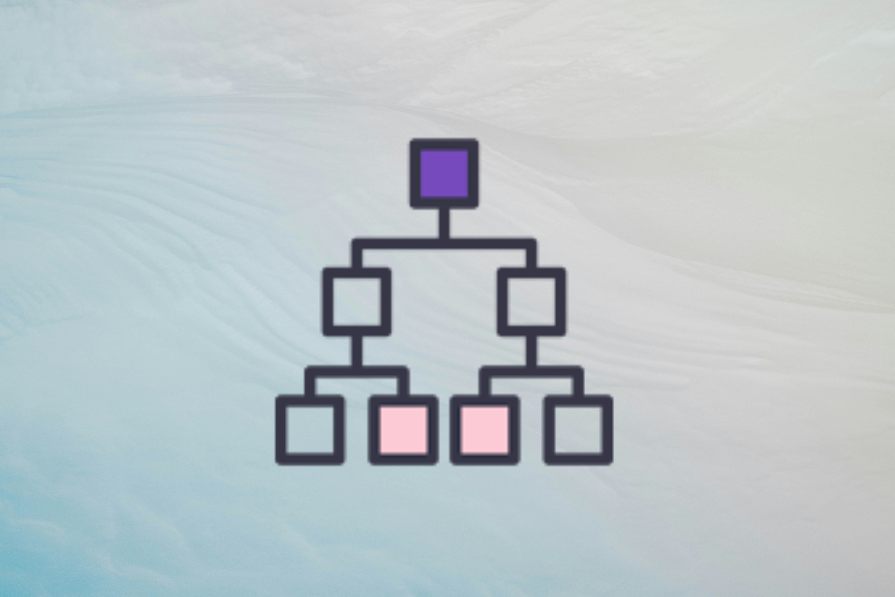
Learn how to build a metrics tree to align goals, track progress, and prioritize features that drive real product outcomes.

use() API is about to make useContext obsoleteLearn how React’s new use() API elevates state management and async data fetching for modern, efficient components.

Learn how to design AI assistants that are purpose‑driven, user‑focused, and built on trust with reusable UI patterns and clear interactions.