A few years ago, I had my eye on a new Peloton bike. I kept thinking of the ad of a fit mom in her spandex sweating through a workout at the break of day in her modern, uncluttered living room. Just as she toweled off and stepped off her bike, her youngster came running into the frame and gave her a hug, signaling the official start of her hectic day.

Fast forward to New Year’s 2024 and I finally bought one. It wasn’t because I like to make New Year’s resolutions; I do that daily.
Peloton was running a sale. And I’d finally realized I wasn’t going back to teaching group fitness, a side gig I’d embraced for a decade between 2010-2020.
For the first few years after the pandemic, I wasn’t sure I wanted to give it up, but as my career and responsibilities grew, I finally realized something important: sometimes I like to be told what to do.
In startups, where your objectives often hinge on change and impact, early success comes from doing it all. Your outcomes depend on your versatility, adaptability, and drive. Over time, that well-rounded competence becomes a trap door, preventing you from jumping to the next level.
Why? Because you’re too busy doing it all. To scale the venture (or your personal potential), you must rely on others.
My mom once bought me a t-shirt that said, “You’re not the boss of me” — a reflection of what I used to say to her as an Aries-born child. We’re all leaders in our own domains; most of us enjoy the freedom to make our own decisions and to choose our own destinies. Many people are highly successful playing multiple roles at once.
But that only gets you so far. To scale our impact, each of us requires input, direction, and support from others. Professionally, I’ve struggled with being okay leaning on others, especially with delegating.
I’ve been working on improving it for years, because while part of me still sees it as “passing the burden,” I know it’s actually providing opportunity.
As responsibilities expand, the instinct to maintain control becomes counterproductive. You may feel responsible for filling every gap, fixing every broken process, or ensuring every deliverable crosses the finish line.
But doing everything yourself isn’t leadership — it’s a bottleneck.
Delegation is what breaks the cycle.
Think about the different skillsets needed for setting goals, determining strategy, and executing. In endurance sports like Ironman races, one group defines the race format, another brings the event to life, and yet another competes.
Your professional life also reflects this dynamic. Goals are set, strategies are devised, and execution is carried out — often by different people with different strengths.
I raised this concept in a recent executive coaching session. My coach labeled the idea “shapers-spine-specialists,” validating where my thoughts were heading.
To make this idea useful in a product environment, we can translate the Ironman analogy into a practical model for how you and your teams can share ownership.
This framework mirrors your Ironman metaphor but maps directly to product orgs:

Ironman: Who decides we need to climb 7,432 feet in America’s toughest Ironman? Shapers are the ones listening to athletes, studying the market, and designing a challenge intended to test human capability
Professional setting: These are your organizational leaders. They understand the market, competition, and long-term strategy. They articulate the vision and outcomes
How PMs fit in:
Ironman: The operational team partners with cities, marks the course, briefs volunteers and safety officials, and orchestrates the entire event
Professional setting: Strategy builders turn vision into a plan. This includes senior and mid-level leaders translating goals into execution frameworks
How PMs fit in:
Ironman: The athletes. They train, fuel, study the course, and execute the plan with discipline
Professional setting: Individual contributors with domain expertise — engineers, designers, analysts — execute the solution
How PMs fit in:
You can do one or two things really well at a time. The brain is essential, but it can’t walk itself. It relies on the musculoskeletal system to move. The legs are useless without structure, and that structure is useless without direction.
The same is true in product management. Having a set of “legs” (executors) is only useful if they know where they’re going and why. Occasionally a “body” hits its limits and external forces like collaboration and feedback help it grow beyond what it knew it could do.
Just as no one would place a group of brains on a track and ask them to run a mile, no one should expect strategic roles to set vision, build process, run the marathon, and juggle 15 balls simultaneously. You can do one well or all poorly.
Put the brain inside a functional system, resource it well, and suddenly it can run.
Now, let’s turn our attention towards some practical delegation tips that you can take back to your product team:
Don’t kid yourself into thinking you’re so ubiquitous and omnipresent that you can fill all roles simultaneously. You can’t, and no one should expect you to.
It’s not heroic. If anything, trying to shoulder all the problems of your product team can lead to creating a single point of failure.
Instead, focus on developing the mind-body-muscle connection of your team. Make roles and responsibilities clear. Clarify the vision, develop the plan, and let people execute.
Because when a highly trained, well-directed team is in motion, it can achieve far more than the sum of its individual parts.
Featured image source: IconScout
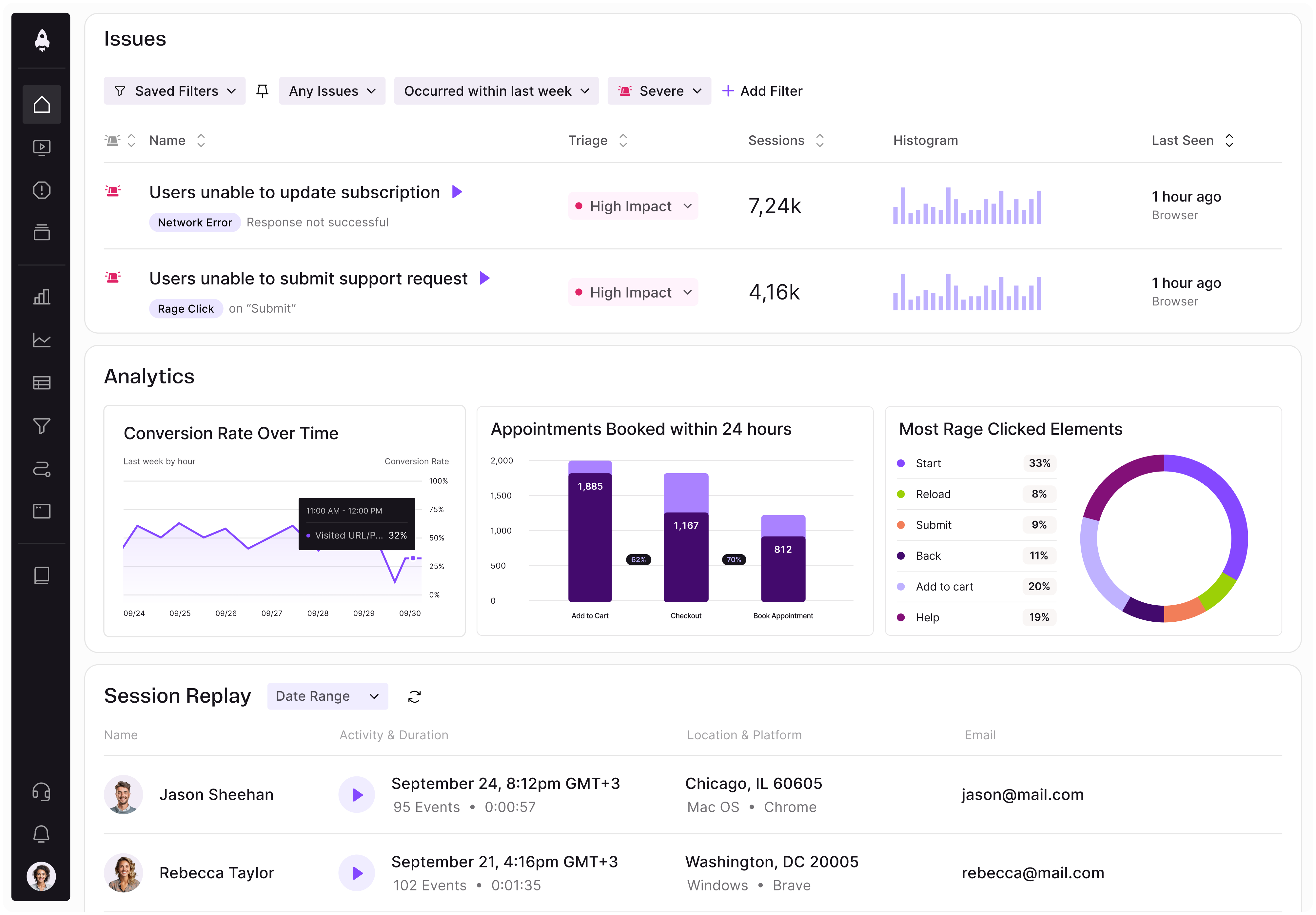
LogRocket identifies friction points in the user experience so you can make informed decisions about product and design changes that must happen to hit your goals.
With LogRocket, you can understand the scope of the issues affecting your product and prioritize the changes that need to be made. LogRocket simplifies workflows by allowing Engineering, Product, UX, and Design teams to work from the same data as you, eliminating any confusion about what needs to be done.
Get your teams on the same page — try LogRocket today.

Learn how to read a P&L statement, assess product costs, build stronger business cases and align product roadmaps with financial priorities.
Learn how product managers can design products for both humans and AI agents with reliable APIs, permissions, errors, and workflows.

See how a cloud storage PM uses LogRocket’s MCP to power Otto, an internal tool that flags bugs and tracks feature adoption automatically.
Learn how much AI fluency product managers need, which skills matter most, and why human judgment remains their competitive advantage.


 Learn more →