If your AI app or agent works perfectly in development but falls apart in production, you’re not alone. In a […]
Compare ESLint and Oxlint, benchmark real speed gains, and learn when migrating to Oxlint makes sense for modern JavaScript teams.
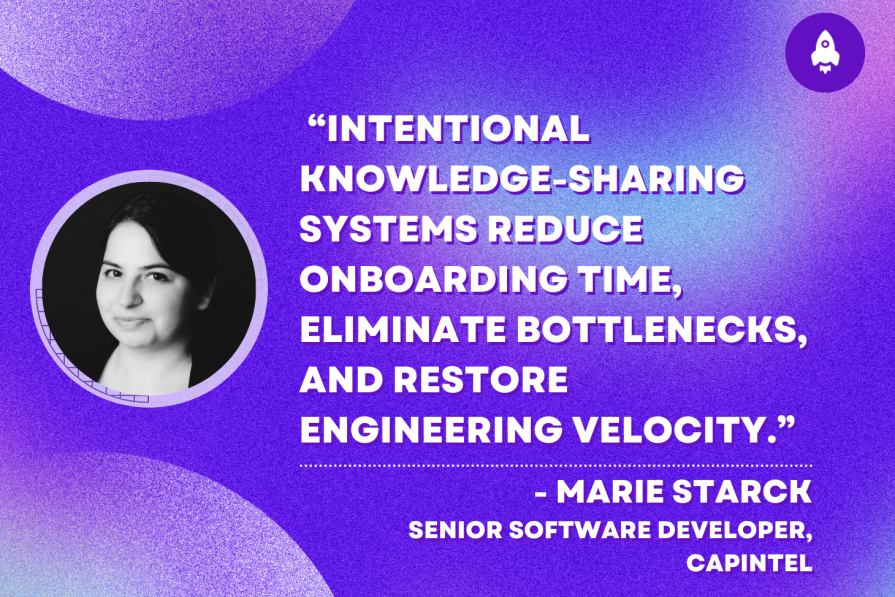
Discover five practical ways to scale knowledge sharing across engineering teams and reduce onboarding time, bottlenecks, and lost context.

Learn how to solve the LLM context problem with RAG, pruning, summarization, and tool loadouts for more reliable AI systems.
Discover what’s new in The Replay, LogRocket’s newsletter for dev and engineering leaders, in the March 4th issue.
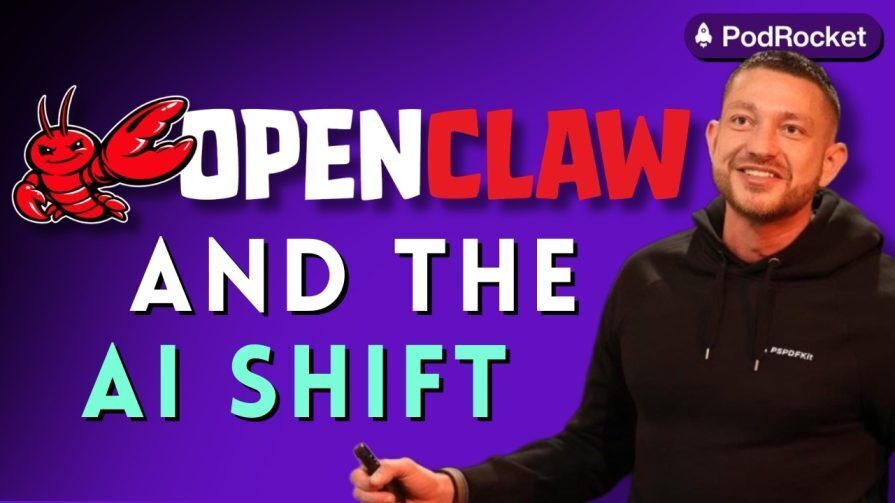
Paige, Jack, Paul, and Noel dig into the biggest shifts reshaping web development right now, from OpenClaw’s foundation move to AI-powered browsers and the growing mental load of agent-driven workflows.
Check out alternatives to the Headless UI library to find unstyled components to optimize your website’s performance without compromising your design.
A practical guide to building a fully local RAG system using small language models for secure, privacy-first enterprise AI without relying on cloud services.
Solve coordination problems in Islands architecture using event-driven patterns instead of localStorage polling.
Signal Forms in Angular 21 replace FormGroup pain and ControlValueAccessor complexity with a cleaner, reactive model built on signals.
Discover what’s new in The Replay, LogRocket’s newsletter for dev and engineering leaders, in the February 25th issue.
Explore how the Universal Commerce Protocol (UCP) allows AI agents to connect with merchants, handle checkout sessions, and securely process payments in real-world e-commerce flows.