In agile environments, scope creep occurs when you lose sight of where you’re going or who you’re serving, and in your attempt to cram too many people-pleasing features into a product, it turns you to stone like Medusa. No longer nimble, you’re left to die by analysis paralysis or trudge along through the muck.
I’ve seen product people pack away hundreds of ideas on backlogs with no intention of touching them anytime soon, flat out decline to entertain ideas from stakeholders (they never even make it to a backlog), and say yes to things and then cry in the bathroom.
The reality of working in product is there’ll always be a litany of ideas for you to acknowledge, consider, and execute — although not necessarily in that order. It’s up to you to set proper boundaries to prevent you and your team from burning out or becoming a feature factory.
Balancing the onslaught of ideas with the opportunity to provide improvements is a key to success in product management; the trick is to make sure whatever you agree to prioritize is likely to serve many customers, even if they don’t know they need it yet.
Saying no to everything is one of the quickest ways to develop a callous reputation. Sure, you have a job as a product leader to define and defend a roadmap, but part of your planning process has to include a buffer for adjustments and unplanned work.
Good project managers reserve around 15 to 30 percent of the total project duration or capacity for unplanned work. Think of this like how a scrum team plans only 70 to 80 percent of total capacity each sprint, reserving 20 to 30 percent for unforeseen bugs or scope changes.
You wouldn’t schedule yourself for eight hours of straight meetings, or expect yourself to do heads-down work for hours on end, especially if you have several tasks to achieve and need to switch contexts along the way. Instead, you provide regular breaks for yourself to reset your mind between tasks.
That buffer allows you to say yes to a few extras along the way. Yes to that latte that takes an extra five minutes to make in the afternoon as you’re switching contexts between your deep work cycles. Yes to that unexpected bug the team needs to fix for a high-priority client this sprint. Yes to that product opportunity to develop or enhance an experience customers say is good but could be great.
To help you decide when to surrender your fiercely guarded capacity for a new roadmap item, let’s talk about what qualifies.
In a recent project I lead, we delivered 22 percent of the post-MVP requirements at the time of the MVP delivery, bringing forward items we otherwise would have added in future releases.
Another time, talking with a client unearthed an opportunity to deploy an AI-based solution to eliminate manual burden on their team.
We didn’t have to do either of those things, but because they made sense for those particular situations, we increased the scope in the interest of cultivating higher client satisfaction.
Saying yes to something should inherently mean saying no to something else.
What can you trade in exchange for pursuing the newly scoped item(s)? How can you use the new scope to your advantage?
Scope creep is rarely a problem if you have unlimited resources, but that’s unrealistic.
Instead of bringing you and your team to a slow boil, use AI tools to accelerate your time to market like Claude Code, Figma Make, Gemini, NotebookLM, or ChatGPT.
Get your designers and product managers vibe coding alongside your development team and watch morale, excitement, and throughput increase.
Look for solutions that eliminate a host of future requirements by delivering in a smarter way. In these cases, it might be worth expanding the scope.
This might be something like waiting for an API data feed instead of configuring manual file syncs. As a general rule though, only expand your scope for something that you think delivers at least 10x return opportunities.
You and a competitor could be two weeks apart on launches, but the first to market may steal the glory. If you learn it’s a race against time to launch, it might be worth adding a bit of scope (e.g., shortening the time to completion and increasing the load) to cinch the win.
If you’re using hypothesis-driven development and invalidating a hypothesis based on observed user behavior or feedback, it might be worth shifting the scope to solve for the actual need instead of stubbornly continuing to build the wrong thing.
When Figma Make released their beta last year, I was eager to get our team early access. This new LLM-based tool would allow us to prompt Figma to design a concept that was more than design — it would produce prototypes for rapid customer testing and front-end-ready code to accelerate the development team.
Up until that point, we had been playing with other tools like Firebase and Loveable, but Figma Make was easily the most anticipated launch for us.
When Figma announced it would be rolling out iteratively, I checked it multiple times a day, and then, ta-da! It was like being granted a magic wand:
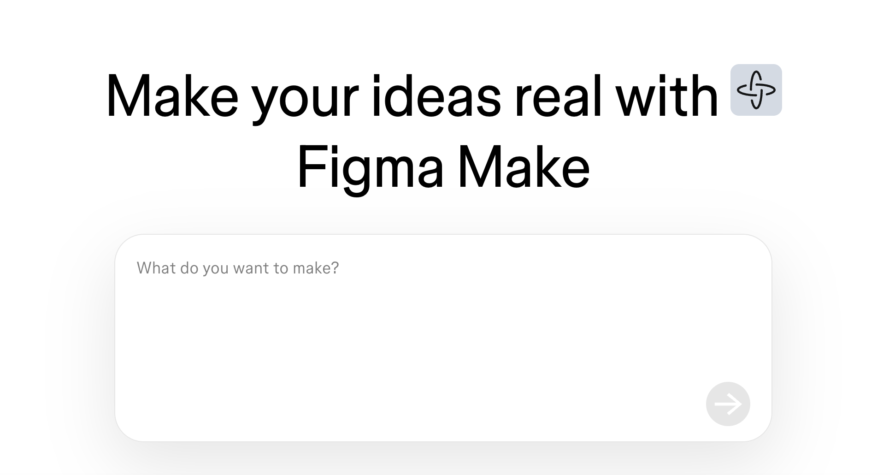
Overnight we increased our design capacity by two, vibe coding our way to shareable assets we could use for rapid feedback loops.
The only problem? It was a little too good. Some of the ideas generated from our vibe coding sessions were so advanced, it was clear from the outset there was a low chance we’d achieve even half of our vision.
However, the brilliance of the process was it gave us access to ideas we may not have otherwise considered. This allowed us to gather user feedback while pursuing a key improvement we hypothesized would increase one of our KPIs.
Good scope creep only stays good if you don’t abuse it. Here are some examples of guardrails you should consider to avoid being the yes person at the expense of others:
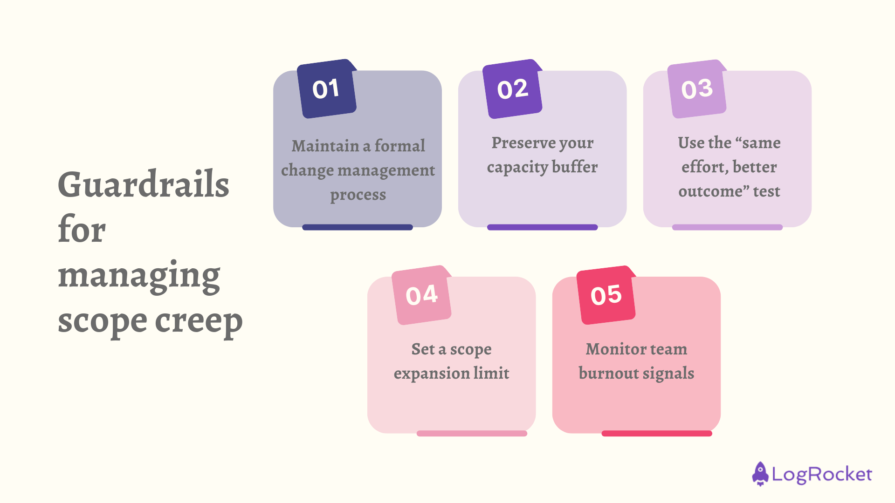
Document every addition with a lightweight change request. Track what’s being added, why it serves the strategic goal, and what trade-offs you’re making. This prevents unconscious drift and creates accountability.
If you’re already using 25 percent of your buffer capacity, adding more scope puts you at risk. You need reserves for actual emergencies, not just opportunities. Protect your buffer!
Acceleration tools like Claude Code and Figma Make should enable you to deliver more value without proportionally more effort.
If an addition requires the same development time as originally scoped features, it’s not good scope creep, it’s just more work. The whole point is leveraging modern tools for efficiency.
Consider establishing a maximum threshold (e.g., no more than 20 percent additional scope beyond MVP requirements).
This creates a forcing function for prioritization and prevents the slow boil scenario where just one more thing compounds into perceived project failure and associated resentment.
Regular check-ins with your team about workload and morale are essential. If the expanded scope is causing 60+ hour weeks or bathroom crying sessions, it’s not controlled expansion — it’s unsustainable overload.
Good scope creep should energize teams, not drain them.
Don’t underestimate your value as a product leader. You have a breadth of knowledge about market trends, your own roadmap, and client needs.
Bridging the gaps into a powerful solution for clients’ top problems is where the magic happens. Even better if you can solve multiple problems with a single fix, and if that fix happens to be something you hadn’t anticipated, that’s good scope creep.
With today’s tools, scope creep doesn’t have to mean drained development capacity. Empower your teams properly, and everyone can play an active role in delivery. Practice the right guardrails, and you can trade cynicism for optimism when you decide to add scope, knowing you’ve made a smart, strategic decision — not a compulsive one.
Featured image source: IconScout
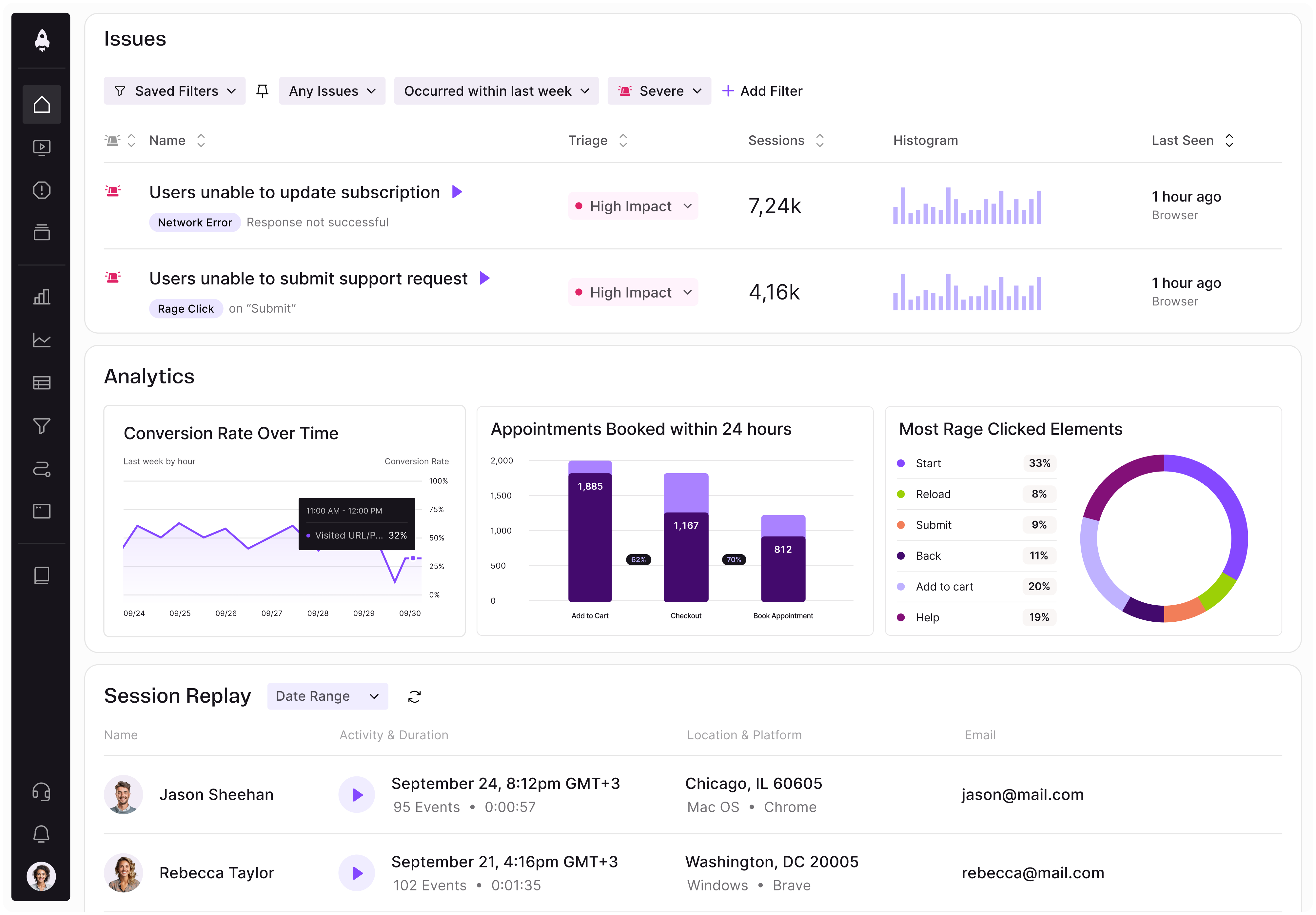
LogRocket identifies friction points in the user experience so you can make informed decisions about product and design changes that must happen to hit your goals.
With LogRocket, you can understand the scope of the issues affecting your product and prioritize the changes that need to be made. LogRocket simplifies workflows by allowing Engineering, Product, UX, and Design teams to work from the same data as you, eliminating any confusion about what needs to be done.
Get your teams on the same page — try LogRocket today.

Keep the reasoning behind product decisions within reach. Build a clear system to track customer feedback, priorities, and project progress.
Discover how Meilisearch uses LogRocket’s MCP and Galileo to improve free trial conversion and adoption of newly shipped features across its Cloud product.
Resolve cross-functional conflict in AI product development with a 3-step framework to clarify risks, assign owners, and align teams to act.
Learn when prompt-first UX adds friction and how product managers can choose AI interfaces that balance flexibility, structure, and control.

 Learn more →