A design can look right and still fail in users’ hands. Learn how five kinds of prototype stress tests expose edge cases early, from awkward screen widths and real-world inputs to loading states, unexpected interactions, and accessibility.

Prepare your 2027 UX workflow with a practical guide to visualization tools, AI-assisted analytics, accessible charts, and a worked checkout example. Learn what to verify before acting on the data.
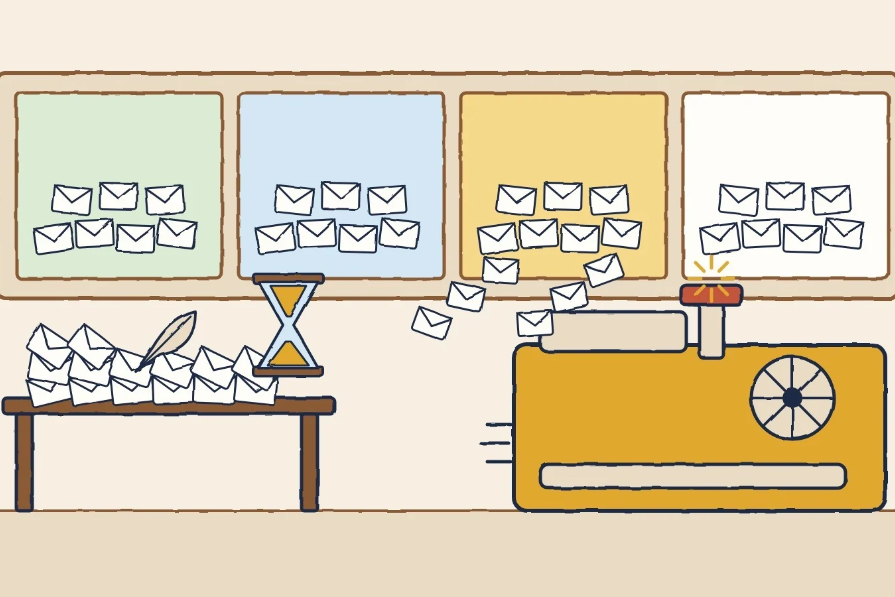
I tested Jev against popular LLMs to compare speed, cost, and accuracy on real bank support messages.
Explore how UX designers can use ADPList to find guidance and share experience, what to check before booking, and how its free and paid options compare with other mentorship platforms.
Learn how to turn regulatory requirements into clear product requirements, define acceptance criteria, and keep your compliance work current.

Compare Figma and Canva for UI design, marketing assets, collaboration, and pricing. Learn where Make, Sites, Buzz, Canva Code, and the separate Affinity app fit into your workflow.

I redesigned a book library app with Apple’s HIG and AI. Revisit the lessons, plus a Liquid Glass follow-up covering navigation, materials, and accessibility checks.

Choose a practical Webflow stack for 2027. Compare design, form, analytics, localization, and scheduling tools, with current availability, pricing, and migration guidance for retired features.
Is react-markdown slowing down your app? We benchmarked three top streaming Markdown renderers to find the fastest, most efficient alternative for React.

Learn how coding agents streamline TDD with automated tests, quality guardrails, and mutation testing to catch bugs and build reliable software.
AI can help draft UX copy, but fluent output is not proof that it works. Learn how to ground content in research, review it against product behavior, and measure the results.
What could UX design look like in 2027? Explore AI-assisted workflows, changing roles, research quality, and the skills designers can build now, grounded in evidence from 2026.