
Users don’t think in terms of frontend or backend; they just see features. This article explores why composition, not reactivity, is becoming the core organizing idea in modern UI architecture.
Discover what’s new in The Replay, LogRocket’s newsletter for dev and engineering leaders, in the November 19th issue.
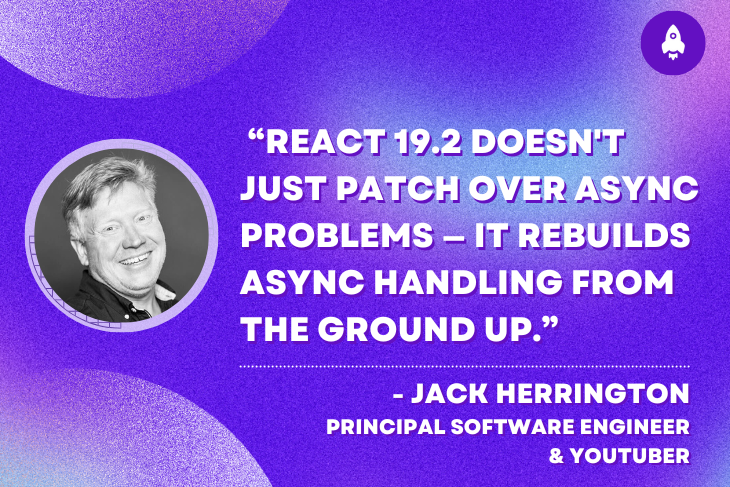
Jack Herrington writes about how React 19.2 rebuilds async handling from the ground up with use(),

The web has always had an uneasy relationship with connectivity. Most applications are designed as if the network will be […]

Streaming AI responses is one of the easiest ways to improve UX. Here’s how to implement it in a Next.js app using the Vercel AI SDK—typing effect, reasoning, and all.

Learn how React Router’s Middleware API fixes leaky redirects and redundant data fetching in protected routes.

A developer’s retrospective on creating an AI video transcription agent with Mastra, an open-source TypeScript framework for building AI agents.

Learn how TanStack DB transactions ensure data consistency on the frontend with atomic updates, rollbacks, and optimistic UI in a simple order manager app.
useEffect mistakes, speculation API, and moreDiscover what’s new in The Replay, LogRocket’s newsletter for dev and engineering leaders, in the November 12th issue.
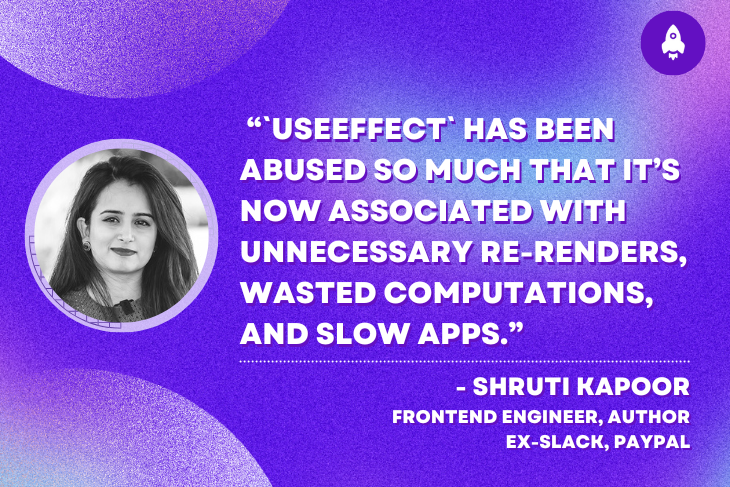
useEffect mistakes to avoid in your React appsShruti Kapoor breaks down the confusion around useEffect and goes over 15 common mistakes she’s seen in the React apps she’s reviewed.

MCP is the bridge between AI and the open web — giving intelligent agents the ability to act, not just talk. Here’s how this open protocol transforms development, business models, and the future of software itself.
AI agents can now log in, act, and access data, but have you truly authorized them? This guide walks through how to secure your autonomous agents using Auth0’s Auth for GenAI, covering token vaults, human-in-the-loop approvals, and fine-grained access control.