
Companies use dark patterns to boost conversions. But ethical UX design fosters trust through transparency and consent — benefiting users and brands alike. Learn how.

Love it or loathe it, Comic Sans has one more trick up its sleeve — it will teach you the dos and don’ts of type choices.

Mobile devices are where users live. In this blog, I break down a mobile-first design approach and share why it’s the secret to delivering sleek, user-friendly modern UX.
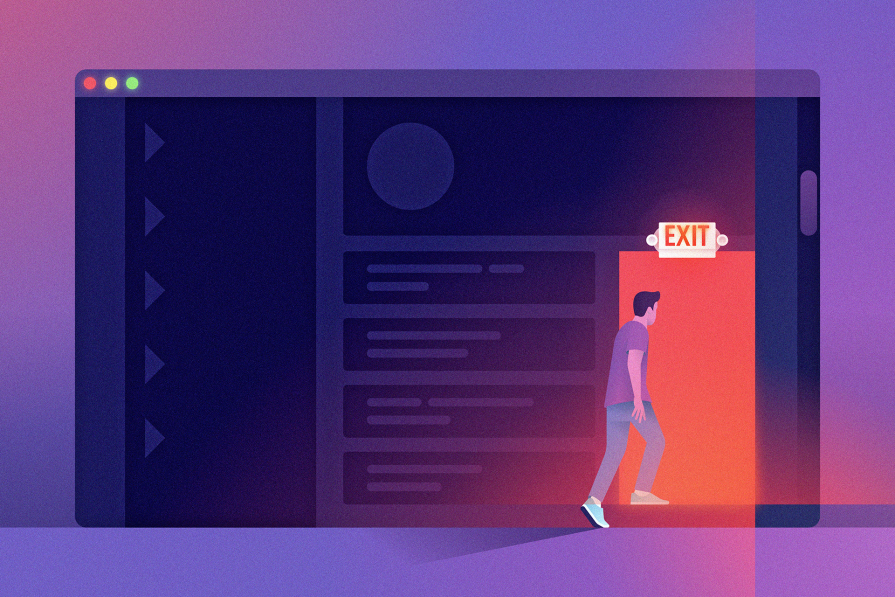
Exit flows in UX are crucial — get them wrong, and users may never come back. In this blog, I share how you can craft exits that turn a user’s last click into an invitation to return.
A killer homepage design for ecommerce sites can guide customers, boost sales, and enhance the user experience — so make sure your homepage is pulling its weight.
Great design starts with understanding users. And design thinking offers a repeatable, five-step process that you use to solve problems and build user-centric solutions.

Use the recency effect to keep your users hooked by placing key actions where their memory works best — at the end of their journey.
Chunking is the cure to a cluttered interface. By breaking content into digestible chunks, you help users process and remember information.

When designing for both mobile and desktop, a scalable design can help you ensure a smooth, consistent experience, no matter the screen size.

Oftentimes when looking at something, you can tell what looks good or bad, however struggle to verbalize why.

It’s time to ditch those sneaky UX traps and actually connect with your users. In this blog, I talk all about transparency, informed consent, and why trust isn’t something you can fake as a UX designer.
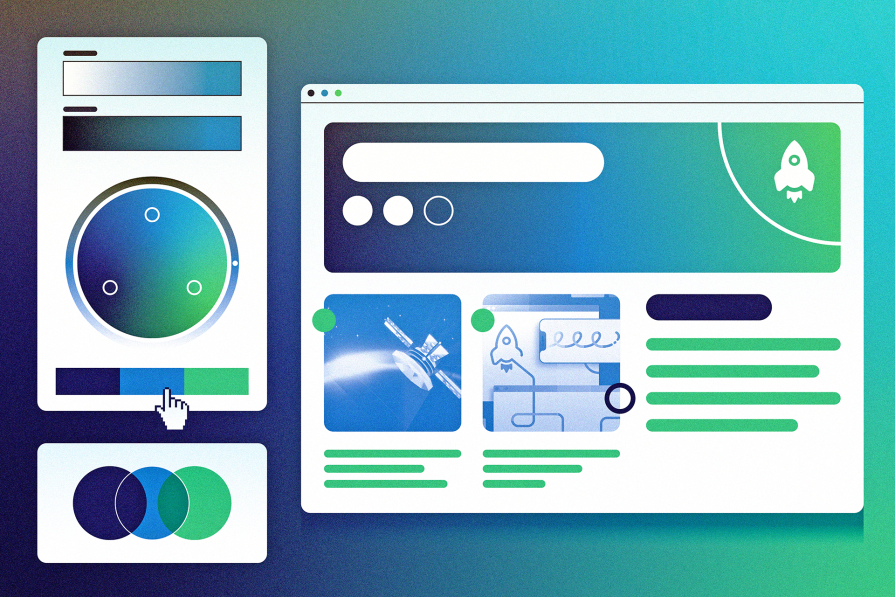
Analogous color schemes offer a powerful way to guide user emotions and behavior. This guide shows you how to make colors do the good work of improving UX.