Build a CRUD REST API with Node.js, Express, and PostgreSQL, then modernize it with ES modules, async/await, built-in Express middleware, and safer config handling.
Discover what’s new in The Replay, LogRocket’s newsletter for dev and engineering leaders, in the March 25th issue.
Recent Issues 2026 March 25: The hidden skills gap in senior dev hiring (and how to screen for it)– Emmanuel […]
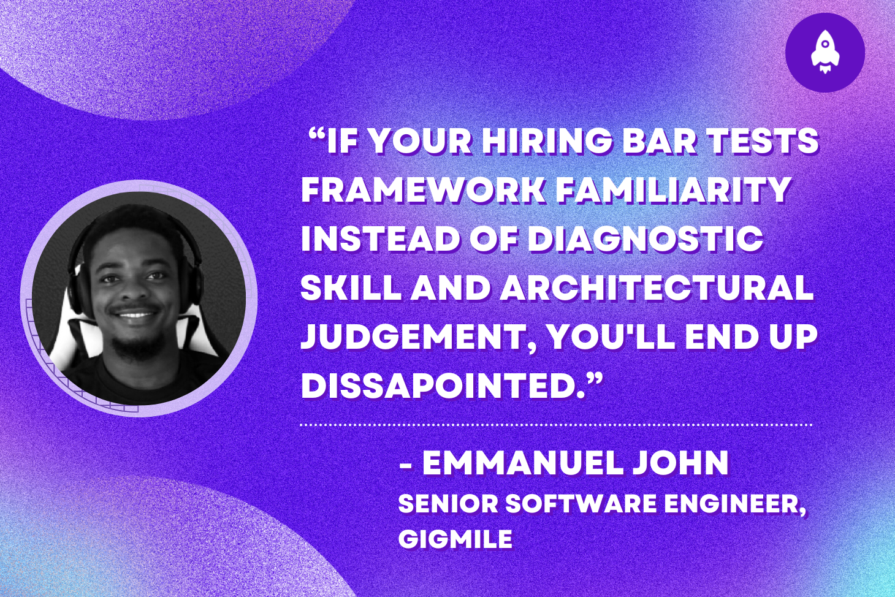
Discover a practical framework for redesigning your senior developer hiring process to screen for real diagnostic skill.
How AGENTS.md and agent skills improve coding agents, reduce mistakes, and make AI IDE workflows more reliable and project-aware.

Build a simple, framework-free Node.js app, and then deploy it to three different services that offer a free tier, Render, Railway, and Fly.io.

How senior engineers run TypeScript effectively at scale in modern codebases.
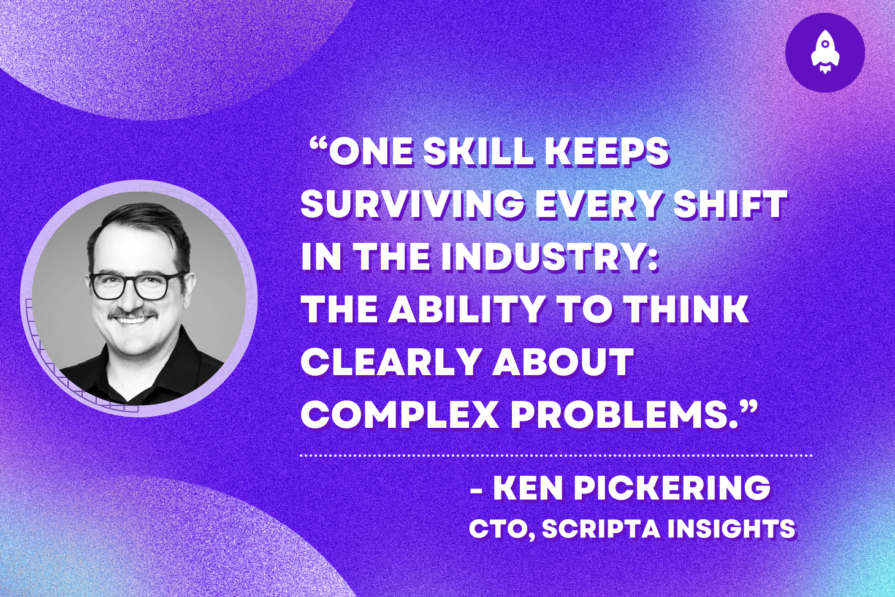
A CTO outlines his case for how leaders should prioritize complex thinking over framework knowledge when hiring engineers for the AI era.

Build dynamic, AI-generated UI safely with Vercel’s JSON Render using structured JSON, validated components, and React.
Build dynamic forms using a JSON schema-driven approach that keeps frontend and backend validation in sync.

Compare the top AI development tools and models of March 2026. View updated rankings, feature breakdowns, and find the best fit for you.

Learn how to spot PMF erosion early, diagnose the cause, and help your product recover before decline turns into panic.