When you introduce a new feature, you probably notice that your product numbers spike almost immediately. Your signups double, traffic surges, and dashboards start glowing with positive indicators. For a moment, everything points to success.

But after a few weeks, your customers’ enthusiasm fades. Daily active users stagnate. You notice that retention decreases faster than expected.
On top of all that, the majority of new users don’t return after their first engagement. What appeared to be growth is actually something completely different. I’m sure you’ve seen this problem before.
Teams usually link acquisition with progress, assuming that more users equals a stronger product. However, growth by itself is an imperfect indicator. It shows you how many people showed up, not whether they found value or chose to keep using the product.
Understanding where this misconception comes from, and how to remedy it, is critical for anyone looking to create something that’ll last. Keep reading to learn why you should stop paying so much attention to acquisition spikes and what you should be measuring instead.
Most product teams rely mainly on acquisition metrics to determine success. These might include signups, app installs, traffic, and campaign conversion rates. They’re simple to assess, explain, and are often linked to growth targets.
At their core, acquisition metrics measure interest rather than outcomes. A signup only indicates that the user was inquisitive enough to try the product. That curiosity could stem from a variety of sources, including marketing initiatives, social chatter, incentives, or even accidental clicks. It may not necessarily indicate a genuine need for the product.
This creates a subtle yet dangerous illusion. When acquisition numbers increase, teams believe that the product is better. In reality, they may just be getting better at catching attention.
A more accurate approach to think about this is to separate intent from value:
If retention doesn’t follow acquisition, then growth fails to result in meaningful progress. Without this distinction, teams risk praising indicators with little impact on long-term success.
Not all growth is equally beneficial to a product’s success. Some users become long-term, engaged customers. Others leave almost as soon as they arrive.
The distinction is in the quality of growth. Low-quality growth can appear powerful on the surface but show flaws when user behavior is examined more thoroughly.
One common trend is high acquisition followed by low activation. Users sign up in significant numbers but don’t perform the crucial actions that establish the product’s value. This usually indicates that either the onboarding process is unclear or that the product doesn’t quickly express why it’s important.
Another pattern is high initial usage followed by a sharp drop-off. Users participate during their first session, usually motivated by curiosity or outside factors, but never return. This indicates that the product failed to provide a compelling reason for continued use.
In certain cases, growth is driven solely by incentives. Referral programs, discounts, and prizes can attract a large number of users, but they’re often driven by the incentive rather than the product itself. When the reward is gone, their engagement fades.
There’s also the issue of shallow engagement. Users may briefly interact with the product by clicking through features or exploring the interface but never use its main functionality. This type of action can exaggerate engagement metrics while obscuring true value.
To make sense of growth, you must differentiate between vanity metrics and product signals.
Vanity metrics are data that appear spectacular but provide no insight into whether the product is actually working. This category includes total sign-ups, page views, and number of downloads. These metrics assess visibility and reach, but they don’t disclose whether users find value.
Product signals, on the other hand, are metrics that capture actual user outcomes. They demonstrate if users are engaging actively with the product and whether that engagement is sustained over time.
Activation rate is one of the most important product signals. It calculates the percentage of users who execute a critical activity that reflects the product’s value. If users aren’t activating, that means acquisition isn’t resulting in substantial usage.
Retention is even more important. It tracks whether users return after their first contact. Strong retention suggests that the product is addressing an actual problem. Weak retention indicates that users either didn’t find value or found inadequate value to return.
The key difference between these two categories is simple: Vanity metrics tell you how many people you reached, whereas product signals tell you how many people you actually helped.
When growth doesn’t translate into retention, the problem is typically with the product experience rather than the acquisition strategy.
One of the most common issues is a slow or delayed “aha moment.” This is the point where users realize the value of the product. If this moment is difficult to achieve or poorly articulated, users are unlikely to stay long enough to experience it.
Incentives may also affect growth. While they can be helpful for short-term acquisition, they usually attract users who are more concerned with the reward than the product itself. This leads to a gap between user behavior and product value.
Finally, effective onboarding is critical. Even if users are a good fit, a complex or stressful onboarding process can keep them from using the product effectively. Retention issues are often disguised as onboarding issues.
To move beyond misleading growth metrics, you need to prioritize indicators that represent actual user behavior. Here’s the five things I recommend keeping an eye on:
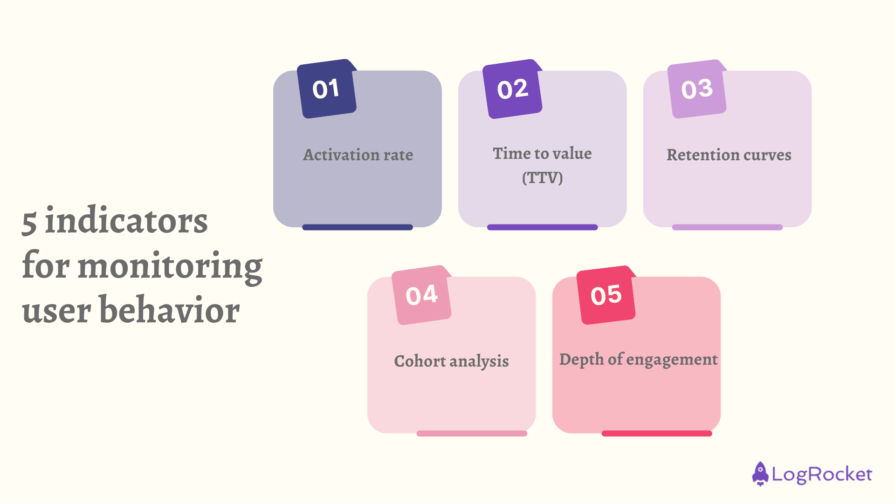
This is the basis for product success. If users don’t activate, nothing else matters.
To improve activation:
The faster users experience value, the more likely they are to stay.
Reducing TTV involves:
Retention curves explain how user engagement varies over time.
A strong product usually has:
A weak product usually shows:
Cohort analysis groups users depending on when or how they joined.
This helps answer:
Instead of just measuring activity, measure meaningful activity:
Shifting from acquisition-focused to retention-focused thinking necessitates a fundamental shift in how product teams work.
The first stage is to validate the product before scaling growth. If users aren’t activating or retaining, increasing acquisition will only worsen the problem. Growth should occur after, not before, product validation.
Next, growth strategies should be consistent with the product’s primary value. The goal isn’t simply to attract users, but to attract the appropriate users — the ones who’ll gain the most from the product.
The initial user experience should also be properly optimized. Retention can often be determined within the first session, so clarity, simplicity, and immediate value are essential.
Finally, every growth initiative should be assessed based on what happens after signup. It’s not enough to count how many users were acquired. Teams must understand how those users interact, whether they activate or return.
Growth isn’t necessarily misleading, but it’s often misinterpreted. Acquisition metrics are useful, but they’re just the start of the story.
What happens after the users come determines true product success. You need your users to discover value, return, and make the product part of their habit.
This means shifting the focus of your work from attracting users to retaining them. As a parting piece of advice, remember that long-term growth is based on consistent, compounded value.
Do you have a story of a time you misread an acquisition spike? Let us know in the comments below.
Featured image source: IconScout
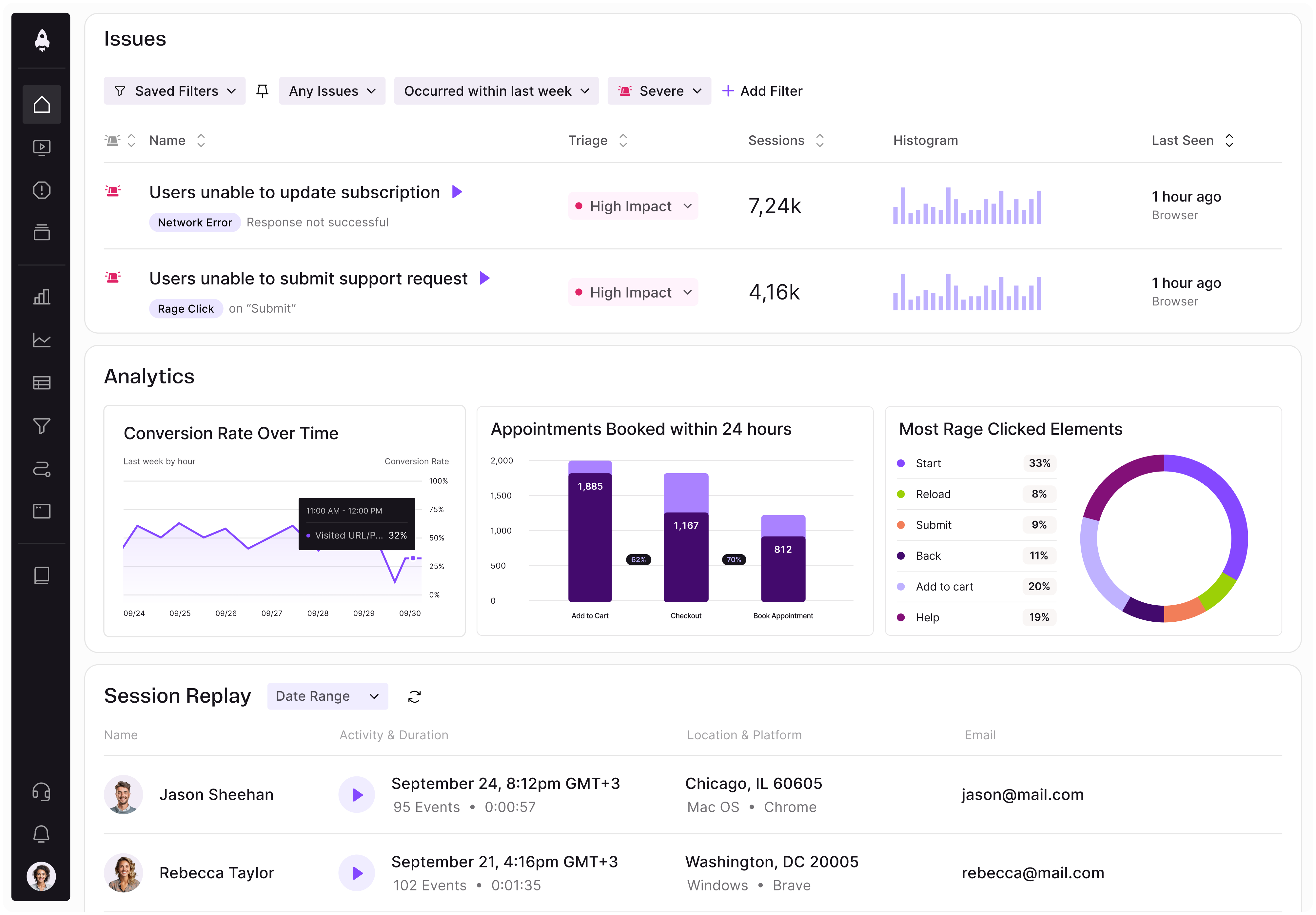
LogRocket identifies friction points in the user experience so you can make informed decisions about product and design changes that must happen to hit your goals.
With LogRocket, you can understand the scope of the issues affecting your product and prioritize the changes that need to be made. LogRocket simplifies workflows by allowing Engineering, Product, UX, and Design teams to work from the same data as you, eliminating any confusion about what needs to be done.
Get your teams on the same page — try LogRocket today.

Explore agentic AI security trade-offs product managers must own before launch, from permissions and human oversight to memory and recovery.

See how to define AI features that deliver user value. Validate needs, assess costs, and set reliability requirements before the team builds.

Learn how to read a P&L statement, assess product costs, build stronger business cases and align product roadmaps with financial priorities.

Learn how product managers can design products for both humans and AI agents with reliable APIs, permissions, errors, and workflows.



 Learn more →