
Stop generating AI slop with Claude Code. Discover 5 actionable developer tips to manage context windows, enforce rules with hooks, and improve code quality.
Learn how product managers can design products for both humans and AI agents with reliable APIs, permissions, errors, and workflows.
Open-source Figma alternatives are becoming viable for teams seeking self-hosting, open file formats, offline access, flexible AI integrations, and greater control over their design workflows. Compare Penpot, OpenPencil, Quant UX, and Open Design to see where open-source tools stand against Figma.
Choosing between skills and MCP tools comes down to auditability versus flexibility. By building the exact same capability twice, this guide reveals when your agent needs a deterministic tool and when it needs an interpretive skill.

Learn how to replace React state, Context, and event handlers with native HTML and CSS features for dark mode, modals, accordions, carousels, and more.
I used to leave design reviews with a stack of subjective edits. Then I learned to tell the story behind my work and rework dropped fast.
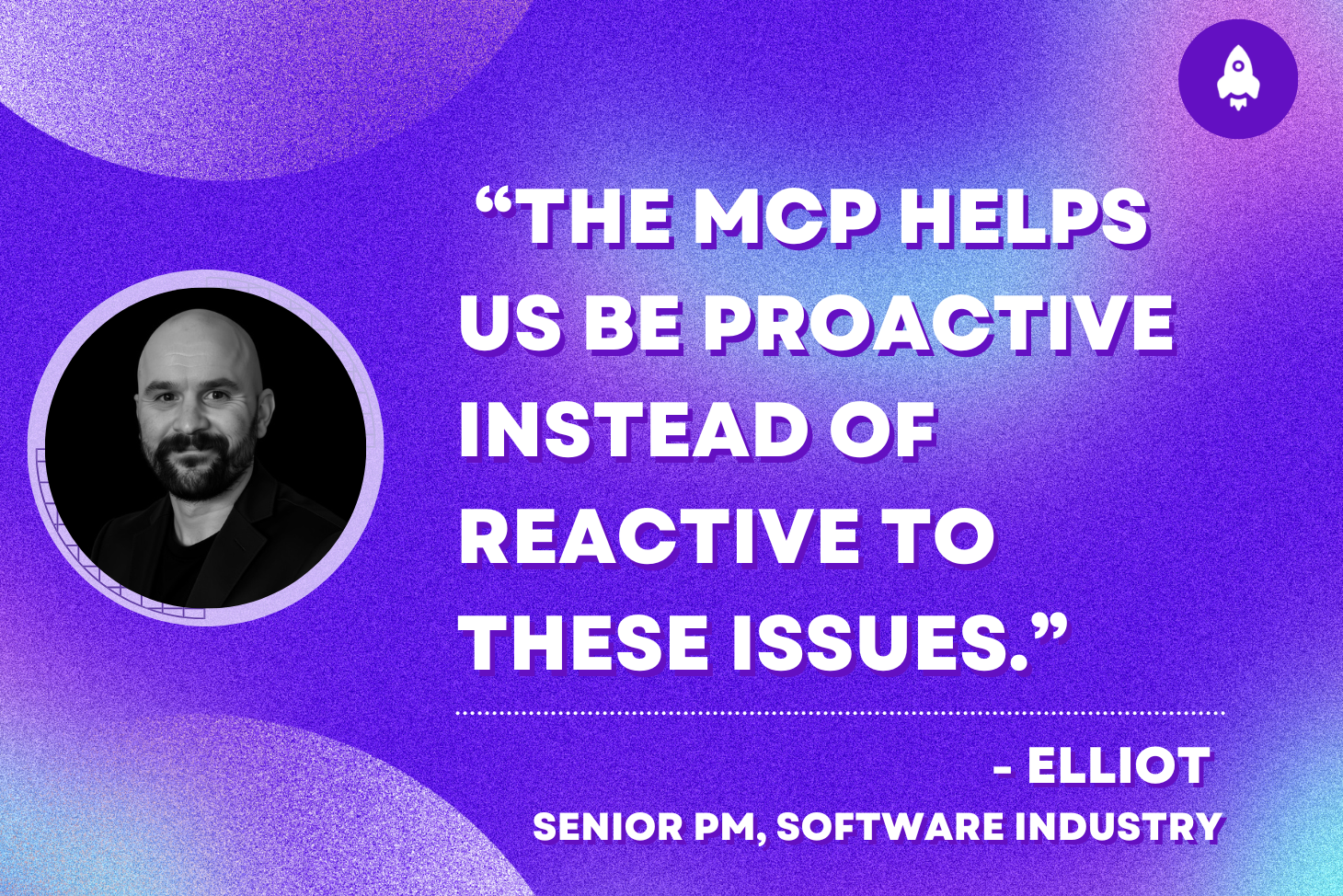
See how a cloud storage PM uses LogRocket’s MCP to power Otto, an internal tool that flags bugs and tracks feature adoption automatically.

A real-app benchmark of cnfast’s drop-in cn() replacement: isolated speed tests look great, but does any of it survive contact with an actual React render?
Learn how much AI fluency product managers need, which skills matter most, and why human judgment remains their competitive advantage.
Learn what human-computer interaction is, discover its principles, and take a look at interaction design in HCI and its applications here.
Learn to build multi-turn AI agents with Genkit’s Agents API — with persistent Firestore sessions, detached long-running turns, and human approval gates.
Learn how to build and deploy production-ready AI streaming applications in Nuxt using the Vercel AI SDK, Nuxt UI chat components, and Cloudflare Workers AI at the edge.