

From pixel art to neon palettes, retro design is resurging across marketing, gaming, fashion, and indie web. Learn how nostalgia, brand differentiation, and anti-minimalism fatigue are shaping modern UX and how to balance style with usability.
90s website design was a maximalist playground of GIFs, bold colors, quirky fonts, and textured layouts. Learn how this experimental era influenced modern flat design, UX principles, and the nostalgic design trends of today.

Nostalgic design taps into familiar visuals and interactions to trigger happy memories, boost engagement, and foster brand loyalty. Learn how typography, color, sound, and retro patterns can evoke positive emotions while keeping your UX accessible and functional.
You can use 90s-inspired visuals without repeating 90s mistakes. This piece breaks down which retro elements to reuse, which pitfalls to avoid, and a simple framework for balancing nostalgia with modern UX.
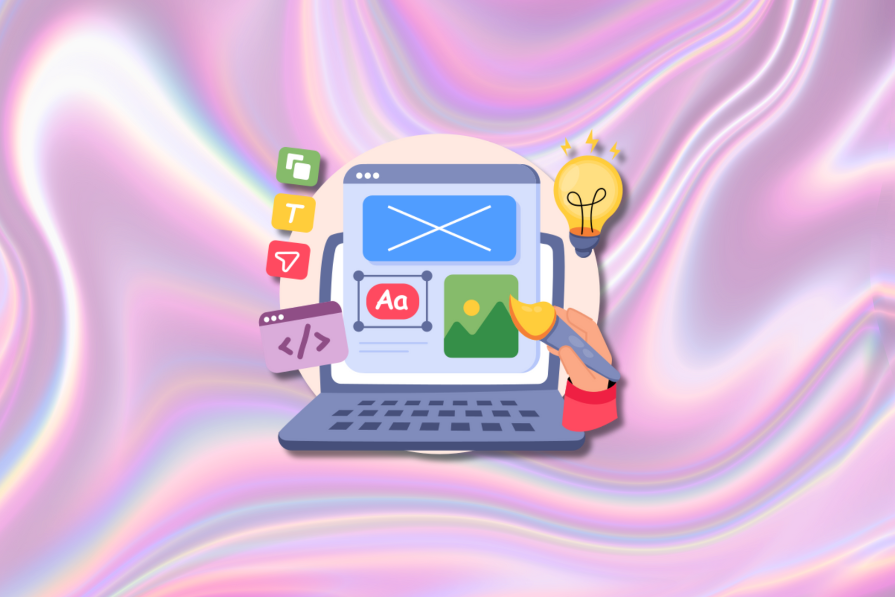
Maximalism defined the 90s web with neon colors, dense text, textures, and endless GIFs. This article explains why the style emerged and how its “more-is-more” energy compares to the minimalist UX standards we rely on today.
The 90s web was chaotic, colorful, and full of improvisation and it shaped more of modern UX than we admit. This article traces how tables, GIFs, and bold palettes evolved into today’s grids, micro-animations, and clean hierarchy.
Nostalgia-driven aesthetics is a real thing. In this blog, I talk all about 90s website designs — from grunge-inspired typography to quirky GIFs and clashing colors — and what you can learn from them.
AI tools are evolving fast but so are user expectations. As UX designers, it’s time to go beyond functionality and think personality. Here’s how prompt design helps you prototype AI agents that sound human, not robotic.

While Apple’s Liquid Glass can’t yet be perfectly recreated with CSS or Figma, we can still think about how to adopt the effect thoughtfully in our designs.

Design system docs don’t have to be a mess. Here’s how to make yours clear, searchable, and worth using daily.

Some say AI will replace designers. Others say it’s just hype. The truth? Somewhere in between. Let’s sort signal from noise.
In UX research, eye tracking involves observing where test participants focus on and the order in which they navigate content.